.webp)








World of Warplanes is a dynamic aerial combat game where success depends not only on shooting accuracy but also on energy management, altitude control, aircraft specialization, and strategic decision‑making. Many new players assume the game is simply about dogfighting, but the deeper mechanics — sector control, target prioritization, consumable usage, and team coordination — define who dominates the skies and who gets shot down quickly.
This guide provides a comprehensive “Tips & Guides” breakdown across ten major phases of gameplay, arranged by time and meaning. Whether you’re a rookie pilot or a seasoned veteran, these insights will help you refine your skills and improve your performance in every battle.
1. How to Choose the Right Aircraft Line
Selecting the right aircraft line is the foundation of your journey. World of Warplanes offers fighters, multiroles, heavy fighters, attack aircraft, and bombers. Each class has unique strengths and weaknesses.
Fighters excel at agility and dogfighting. Heavy fighters dominate with boom‑and‑zoom tactics. Multiroles balance air combat and ground attack. Attack aircraft and bombers focus on destroying ground targets to secure sectors.
Recommended Beginner Lines
- Soviet fighters: agile and forgiving
- American multiroles: balanced versatility
- German heavy fighters: strong boom‑and‑zoom potential
H4: The Learning Curve
Some lines demand advanced mechanics like energy fighting or altitude control. Beginners should start with forgiving aircraft.
2. How to Understand Energy Management
Energy management is the invisible currency of aerial combat. It combines speed (kinetic energy) and altitude (potential energy). Pilots with superior energy dictate engagements.
Climbing early grants altitude advantage, while maintaining speed ensures maneuverability. Ignoring energy mechanics leads to losing duels even with superior firepower.
Energy Types
- Potential Energy: altitude
- Kinetic Energy: speed
H4: Why Energy Matters
A plane with more energy controls the fight. A plane with less energy reacts to the fight.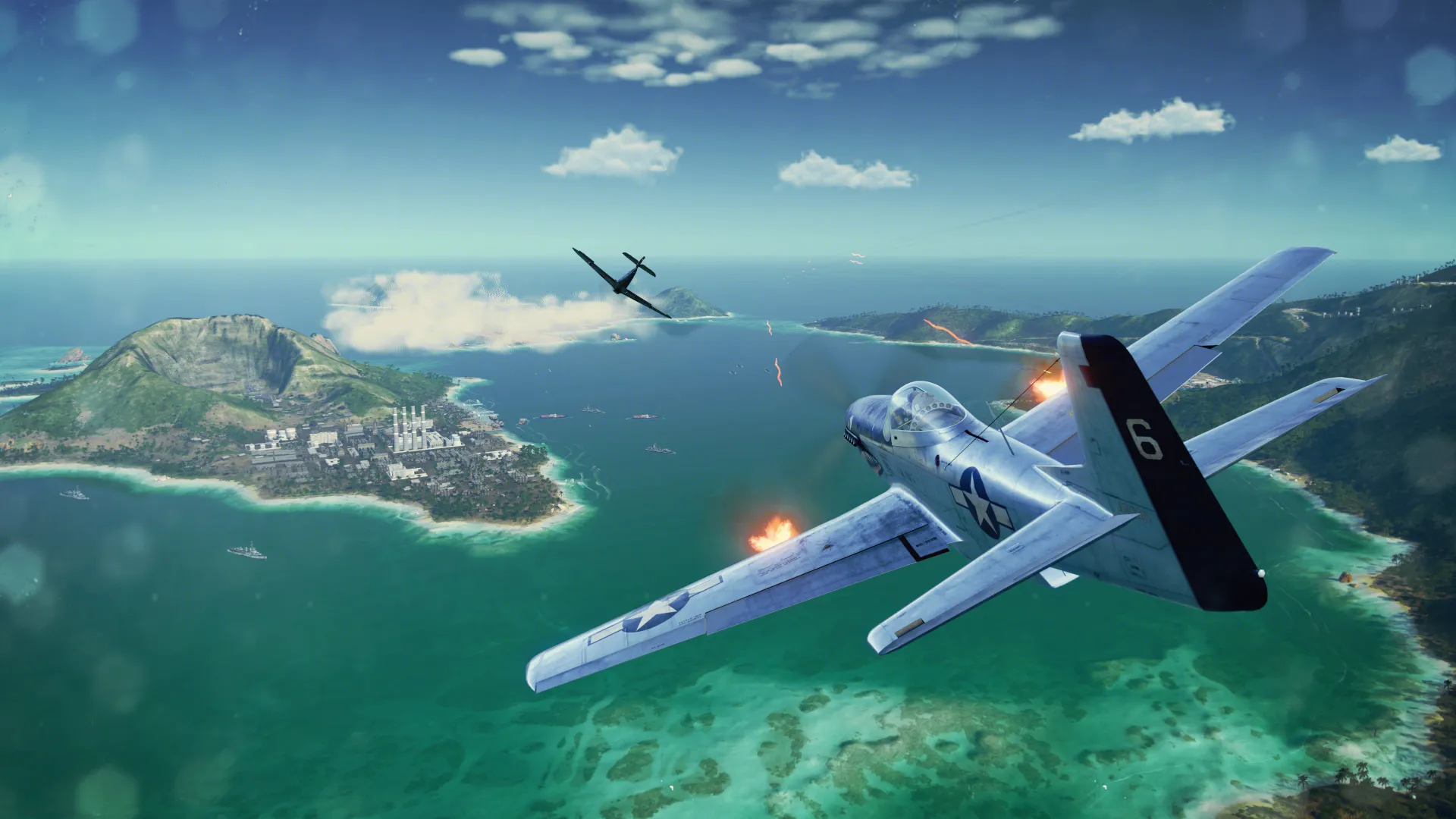
3. How to Use Boom‑and‑Zoom Tactics
Boom‑and‑zoom (BnZ) is a high‑energy attack strategy. Heavy fighters and interceptors excel at it. Dive from altitude, strike, and climb back before retaliation.
Timing is crucial. Dive too early and lose altitude without advantage. Dive too late and enemies evade. Always climb back after attacking.
Boom‑and‑Zoom Steps
- Gain altitude
- Identify low‑energy targets
- Dive at high speed
- Fire in a single pass
- Climb back to safety
H4: The BnZ Trap
New players often stay low after a dive, losing energy advantage and dying quickly.
4. How to Turn Fight Effectively
Turn fighting relies on agility. Turn fighters excel at close‑range dogfights but still need energy.
Maintain medium speed for effective turning. Too much speed makes turning difficult; too little speed makes you vulnerable. Use flaps sparingly and avoid turning at very high altitude.
Turn Fighting Tips
- Maintain medium speed
- Use flaps sparingly
- Avoid high‑altitude turns
H4: The Turn Fight Myth
Even turn fighters need energy — without speed, they cannot maneuver effectively.
5. How to Choose Targets Wisely
Target selection is critical. Attacking the wrong target wastes time and energy.
Focus on low‑energy enemies climbing, turning, or flying slowly. Avoid high‑energy enemies diving at speed. Prioritize threats to your team’s objectives.
Ideal Targets
- Planes in tight turns
- Planes climbing steeply
- Low‑altitude planes
H4: Dangerous Targets
High‑altitude interceptors and fast‑diving heavy fighters should be avoided unless you have energy advantage.
6. How to Use Altitude Bands Correctly
Each aircraft has an optimal altitude band. Flying outside it reduces performance.
High‑altitude fighters suffer at low altitude. Low‑altitude fighters struggle in thin air. Knowing your plane’s altitude band maximizes efficiency.
Altitude Band Categories
- Low‑altitude fighters: Japanese turn fighters
- Mid‑altitude fighters: American multiroles
- High‑altitude fighters: German heavy fighters
H4: The Altitude Misplay
Climbing too high in low‑altitude planes wastes energy and reduces control.
7. How to Capture and Control Sectors
World of Warplanes is about more than dogfighting — sector control wins matches.
Sectors provide strategic advantages like respawn points, air defense, or score multipliers. Capture by destroying enemy aircraft or ground targets. Different sectors require different strategies.
Sector Types
- Garrisons: air combat focus
- Military bases: ground attack focus
- Command centers: bomber support
- Airfields: respawn and repair
H4: The Objective Mistake
Ignoring sectors to chase kills often leads to defeat despite high personal scores.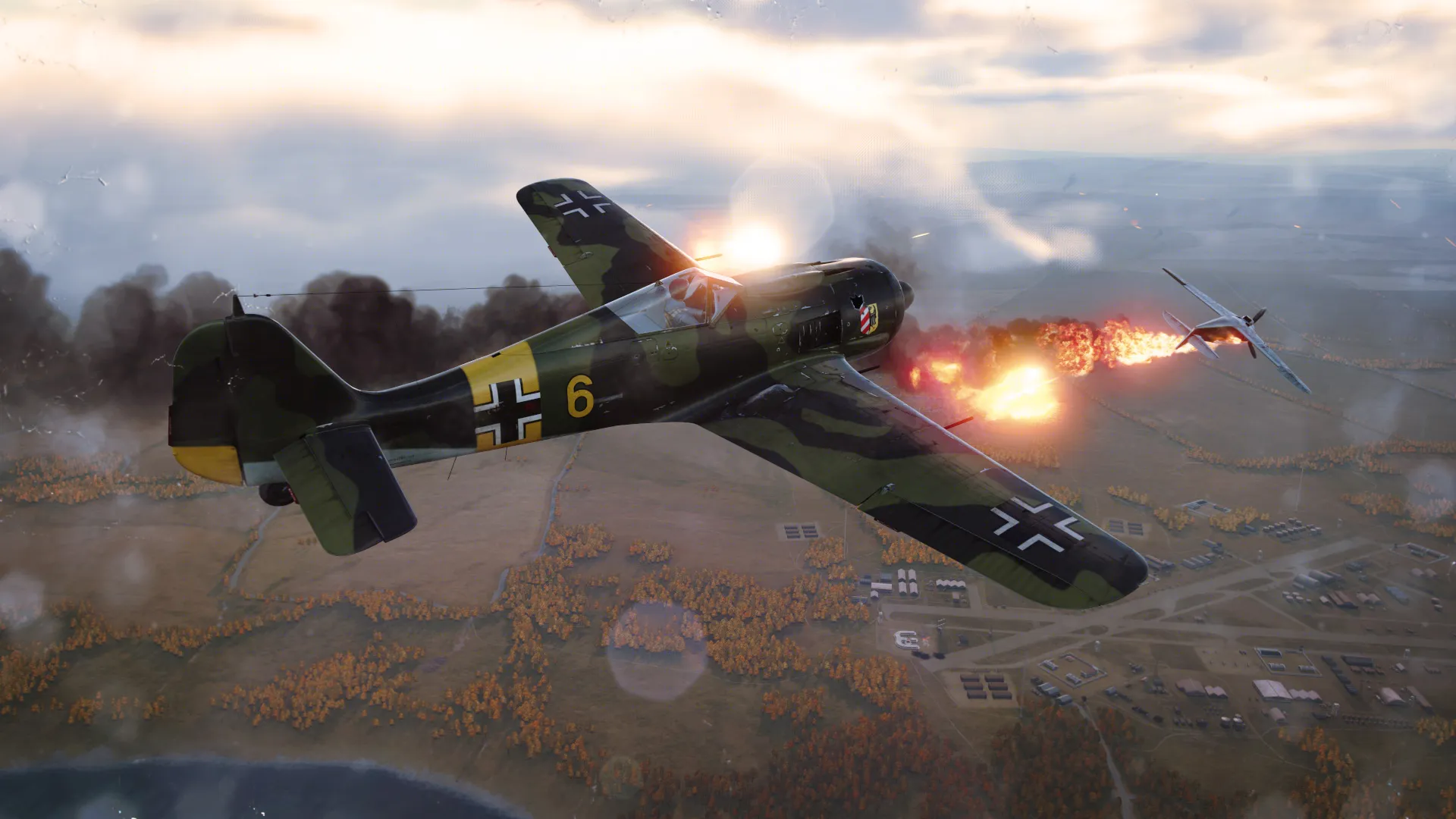
8. How to Use Consumables and Equipment
Consumables and equipment enhance performance. Choosing the right setup improves survivability and firepower.
Consumables like engine boosts, repair kits, and fire extinguishers save lives. Equipment such as reinforced airframes and aerodynamic surfaces enhance strengths.
Recommended Equipment
- Aerodynamic Fins (maneuverability)
- Reinforced Airframe (survivability)
- Gas‑Operated Action (firepower)
H4: Consumable Tips
Use boosts wisely, save repair kits for critical moments, and avoid wasting consumables early.
9. How to Survive the Mid and Late Game
The mid and late game require different strategies. Early on, planes are plentiful. Later, energy management and patience become crucial.
Preserve HP early. Play cautiously when outnumbered. Use energy advantage to pick off isolated enemies. Late‑game mobility and altitude often decide matches.
Late‑Game Tips
- Preserve HP early
- Play cautiously when outnumbered
- Exploit energy advantage
H4: The Cleanup Phase
Late‑game planes with mobility and altitude control often secure victory.
10. How to Improve Over Time
Mastery takes time. Review replays to identify mistakes. Watch experienced players to learn advanced techniques. Experiment with different aircraft and playstyles.
Focus on one skill at a time — energy management, target selection, altitude control — and gradually build expertise.
Improvement Tips
- Review replays
- Watch tutorials
- Practice consistently
H4: The Path to Mastery
Mastery is not about perfect aim — it’s about perfect decisions.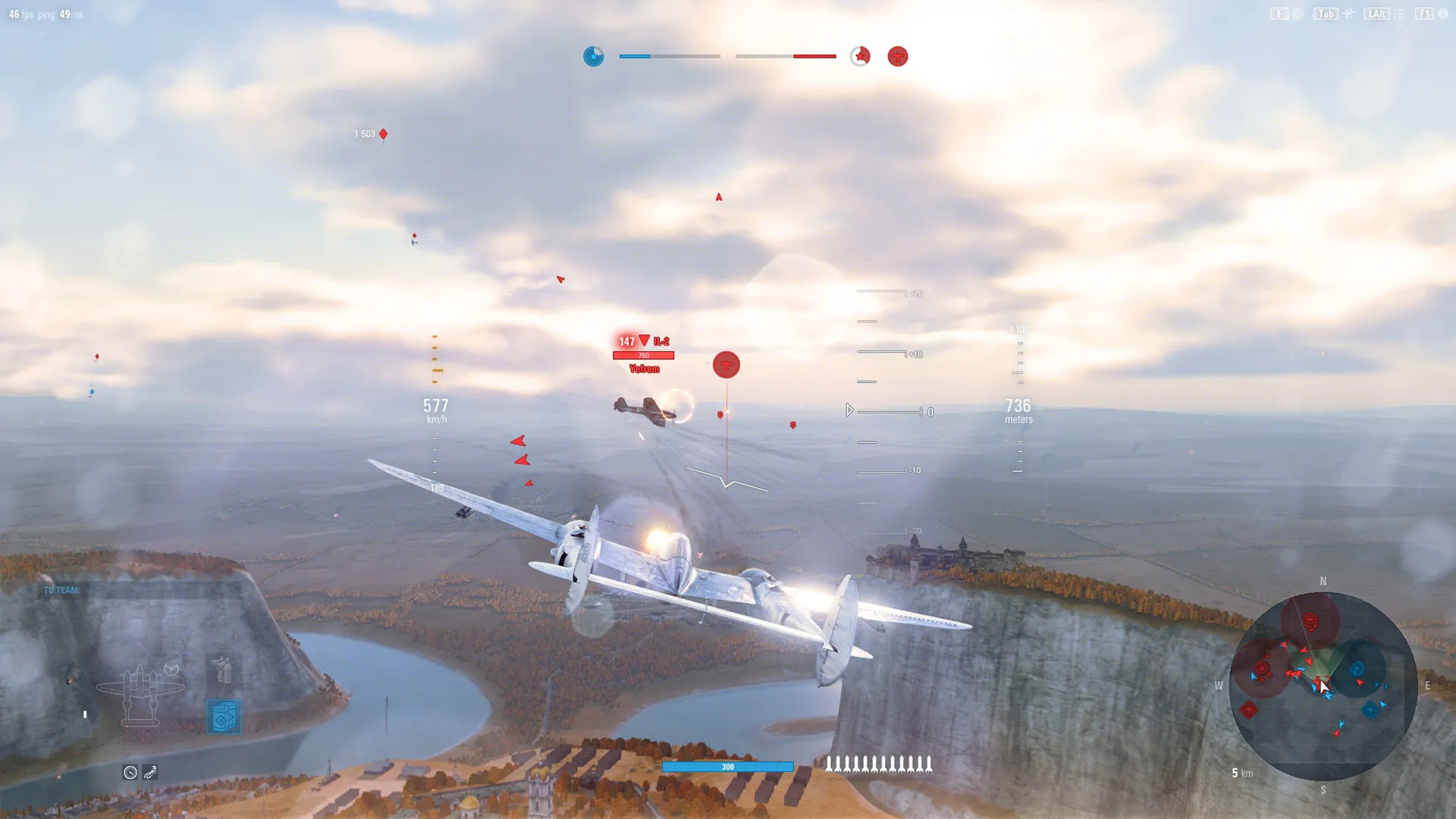
Conclusion
World of Warplanes is a deep, strategic game where knowledge and decision‑making matter far more than raw mechanics. By understanding aircraft roles, energy management, target selection, altitude bands, sector control, and resource management, you can dramatically improve your performance.
Whether you’re dogfighting in a nimble fighter, diving in a heavy interceptor, or capturing sectors in a multirole aircraft, every decision shapes the outcome of the battle. With patience, practice, and strategic thinking, you can become a formidable pilot in the skies.