






ASTRONEER appears, at first glance, to be a relaxed sandbox about colorful planets, creative building, and freeform exploration. Yet beneath its minimalist visuals lies a single mechanic that quietly controls every meaningful decision the player makes: oxygen dependency. Unlike many survival games where oxygen is a temporary hazard, ASTRONEER places oxygen at the center of its design philosophy. This article examines how the oxygen-tether system shapes exploration, pacing, risk assessment, and emotional tension, ultimately defining ASTRONEER’s identity as a survival experience built on deliberate limitation rather than constant danger.
1. Oxygen as the First Constraint
From the opening moments, ASTRONEER introduces oxygen as a strict boundary. The player steps out of their shelter with only a short oxygen supply.
Movement immediately becomes a calculation. Distance matters more than speed, and terrain height affects survival as much as hostile threats would in other games.
This early limitation establishes oxygen not as a background stat, but as the core rule governing player behavior.
2. Tethers as Physical Lifelines
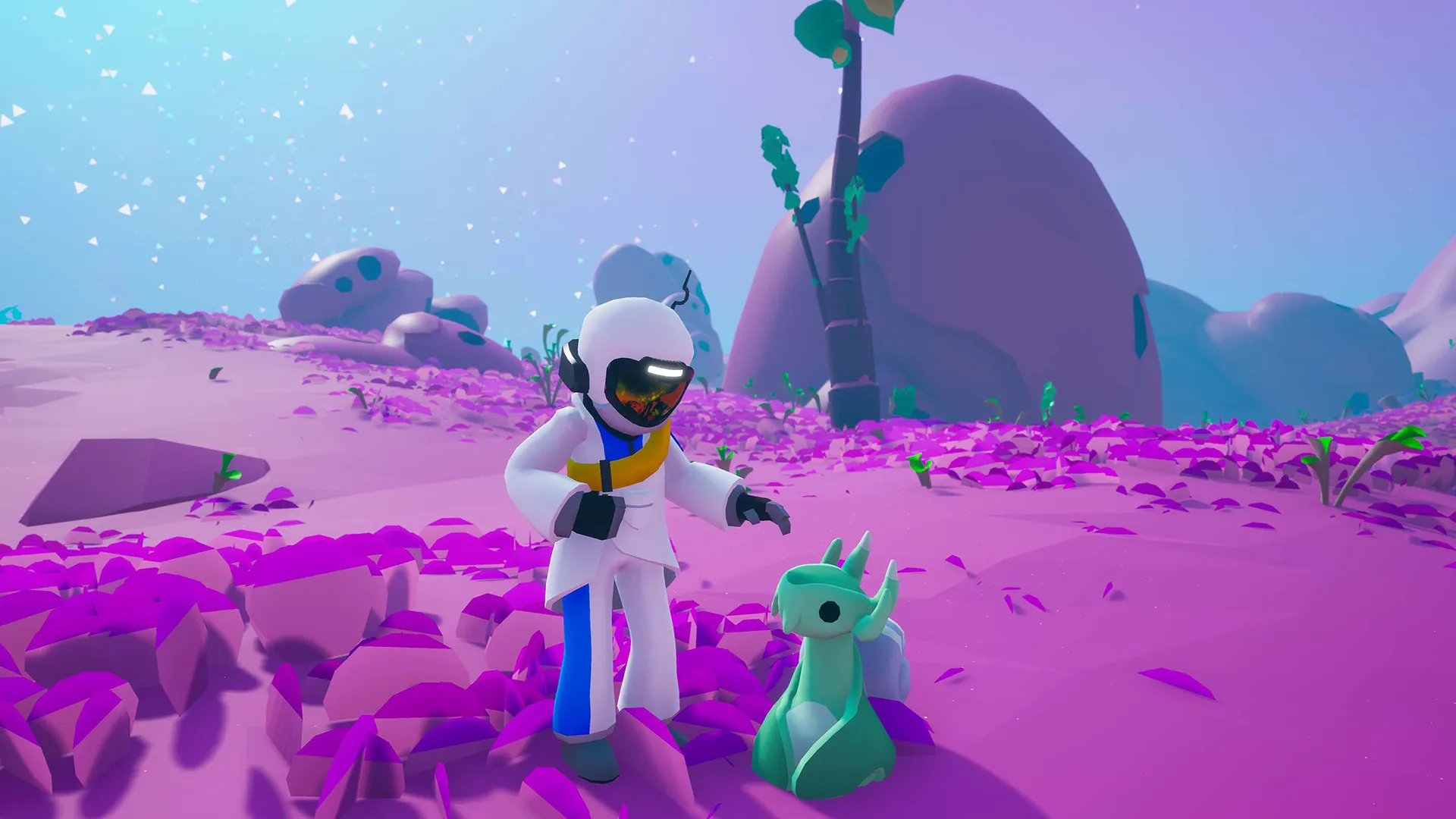
The tether system transforms oxygen into a visible, physical resource. Instead of an abstract meter, oxygen flows through tangible blue lines.
Each tether placed represents a commitment. The player is not just extending range, but marking a path of safe return.
Psychological anchoring
The visual presence of tethers creates a sense of security that encourages careful expansion rather than reckless wandering.
3. Exploration Through Incremental Reach
ASTRONEER discourages sudden leaps into the unknown. Exploration happens in small, intentional steps outward from oxygen sources.
Every new cave, valley, or mountain requires planning a return route before advancing. The game rewards patience over curiosity-driven sprinting.
This design slows exploration without making it feel restrictive, replacing urgency with measured progression.
4. Risk Without Enemies
ASTRONEER features no traditional combat enemies. Instead, oxygen scarcity becomes the primary source of tension.
Running out of oxygen produces panic comparable to being attacked, despite the absence of violence. The threat is environmental and self-inflicted.
Failure through misjudgment
Most deaths are not caused by surprise, but by overconfidence or poor planning.
5. Terrain Manipulation as Oxygen Strategy
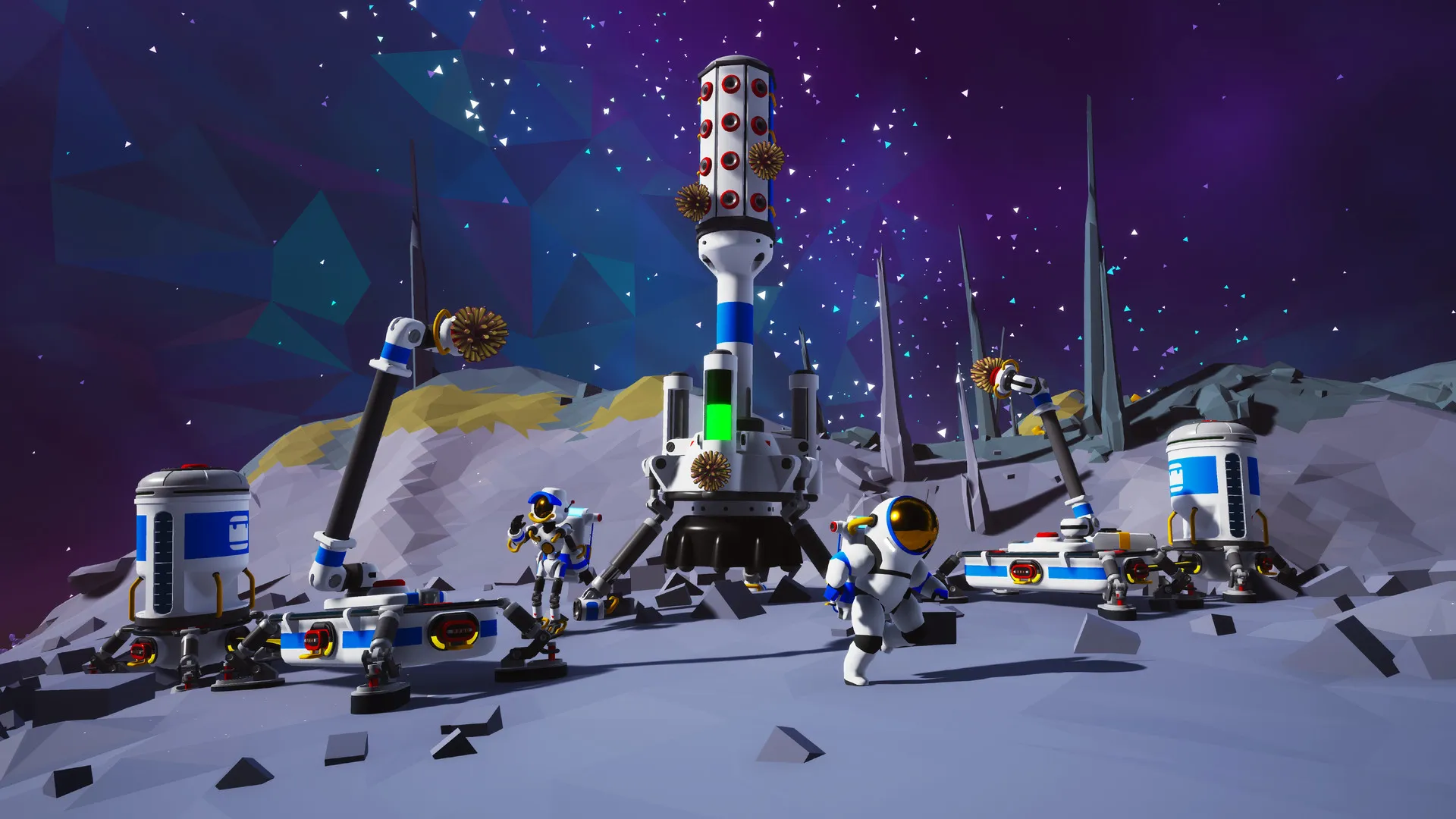
Terrain tools are not just creative instruments; they are survival tools directly tied to oxygen management.
Digging tunnels, flattening paths, and creating ramps reduce oxygen consumption by minimizing traversal time.
This turns terraforming into a strategic extension of the oxygen system rather than a purely aesthetic feature.
6. Vehicles and the Redefinition of Distance
Vehicles fundamentally alter how players perceive oxygen limits. Rovers and tractors provide mobile oxygen sources.
Distance stops being linear and becomes network-based. Players think in terms of routes, stations, and refueling points.
From tether lines to logistics
The game subtly transitions from tether placement to infrastructure planning without explicitly signaling the shift.
7. Base Expansion as Oxygen Infrastructure
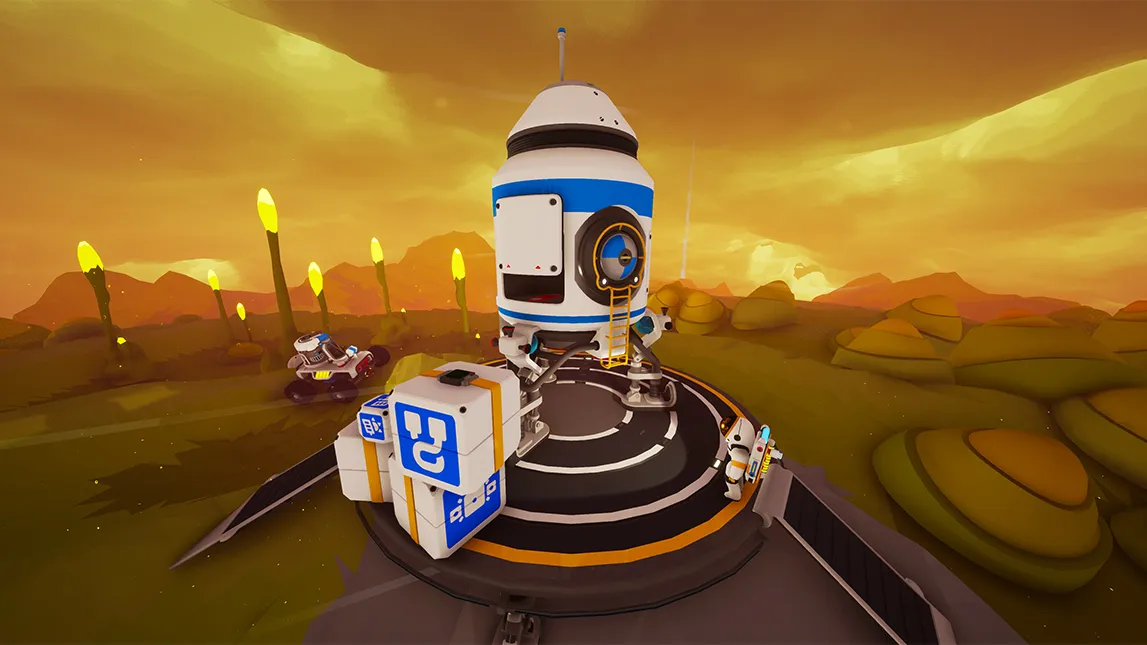
Bases in ASTRONEER function less as homes and more as oxygen hubs. Power, oxygen, and storage are inseparable.
Poorly placed bases increase travel risk and inefficiency. Strategic placement reduces oxygen stress across entire regions.
Invisible safety nets
Well-designed bases quietly eliminate danger, making exploration feel effortless without removing the underlying mechanic.
8. Oxygen and Player Psychology
The oxygen system affects how players feel more than how they act. Even experienced players hesitate before leaving safe zones.
The constant presence of a countdown creates low-level tension that never fully disappears, even in late-game play.
This sustained psychological pressure gives ASTRONEER emotional depth without overwhelming the player.
9. Late-Game Oxygen Mastery
As technology advances, oxygen becomes easier to manage but never irrelevant. Portable oxygenators and vehicles expand freedom.
However, the habits formed early persist. Players still plan routes, build redundancies, and avoid unnecessary risks.
Learned restraint
The oxygen system trains players to think cautiously, even when danger is technically reduced.
10. Why Oxygen Defines ASTRONEER’s Identity
ASTRONEER’s oxygen-tether system is not just a survival mechanic; it is the lens through which the entire game is experienced.
It dictates pacing, shapes exploration, replaces combat tension, and encourages thoughtful play. Without it, the game would lose its unique rhythm.
Constraint as creativity
By limiting freedom, ASTRONEER creates a more meaningful sense of discovery and accomplishment.
Conclusion
ASTRONEER succeeds by building its entire experience around a single, well-integrated constraint: oxygen dependency. Through tethers, terrain manipulation, vehicles, and base design, the game transforms survival into a careful dance between ambition and restraint. The absence of traditional enemies highlights how powerful environmental pressure can be when designed with intention. Ultimately, ASTRONEER demonstrates that survival games do not need constant danger to be engaging—only systems that make players think, hesitate, and plan every step forward.