.webp)






World of Tanks is a tactical, team‑based tank combat game where knowledge, positioning, and decision‑making matter far more than raw reflexes. Many new players assume the game is simply about shooting and surviving, but the deeper mechanics — armor angling, map control, spotting, team coordination, and resource management — define who thrives and who struggles.
This guide provides a comprehensive “Tips & Guides” breakdown across ten major phases of gameplay, arranged by time and meaning. Whether you’re a new tanker or a seasoned veteran looking to refine your skills, these insights will help you understand the game’s deeper systems and improve your battlefield performance.
1. How to Choose the Right Tank Line
Choosing the right tank line is the first major decision every player makes. World of Tanks features five main classes — light tanks, medium tanks, heavy tanks, tank destroyers, and SPGs — each with unique roles and learning curves. New players often rush into high tiers without understanding the fundamentals, which leads to frustration.
Start by choosing a tank line that matches your preferred playstyle. If you enjoy scouting and mobility, light tanks are ideal. If you prefer brawling and absorbing damage, heavy tanks are your best choice. Medium tanks offer flexibility, while tank destroyers provide long‑range firepower. SPGs support the team with indirect fire.
Recommended Beginner Lines
- Soviet heavies (IS line)
- German mediums (Panther line)
- American heavies (T29 line)
The Importance of Learning Curve
Some lines are forgiving, while others require advanced mechanics. Choose wisely to avoid early frustration.
2. How to Understand Armor and Angling
Armor mechanics are at the heart of World of Tanks. Understanding how armor thickness, angling, and penetration work will dramatically improve your survivability. Many new players expose their flat armor to enemies, making themselves easy targets.
Angling your tank increases effective armor thickness. By turning your hull slightly, you force enemy shells to hit at sharper angles, increasing the chance of ricochets. Side‑scraping and hull‑down tactics further enhance survivability.
Armor Techniques
- Angle your hull at 30–45 degrees
- Use side‑scraping near walls
- Go hull‑down with strong turrets
The Weak Spot Problem
Every tank has weak spots — learn yours and your enemy’s to gain an advantage.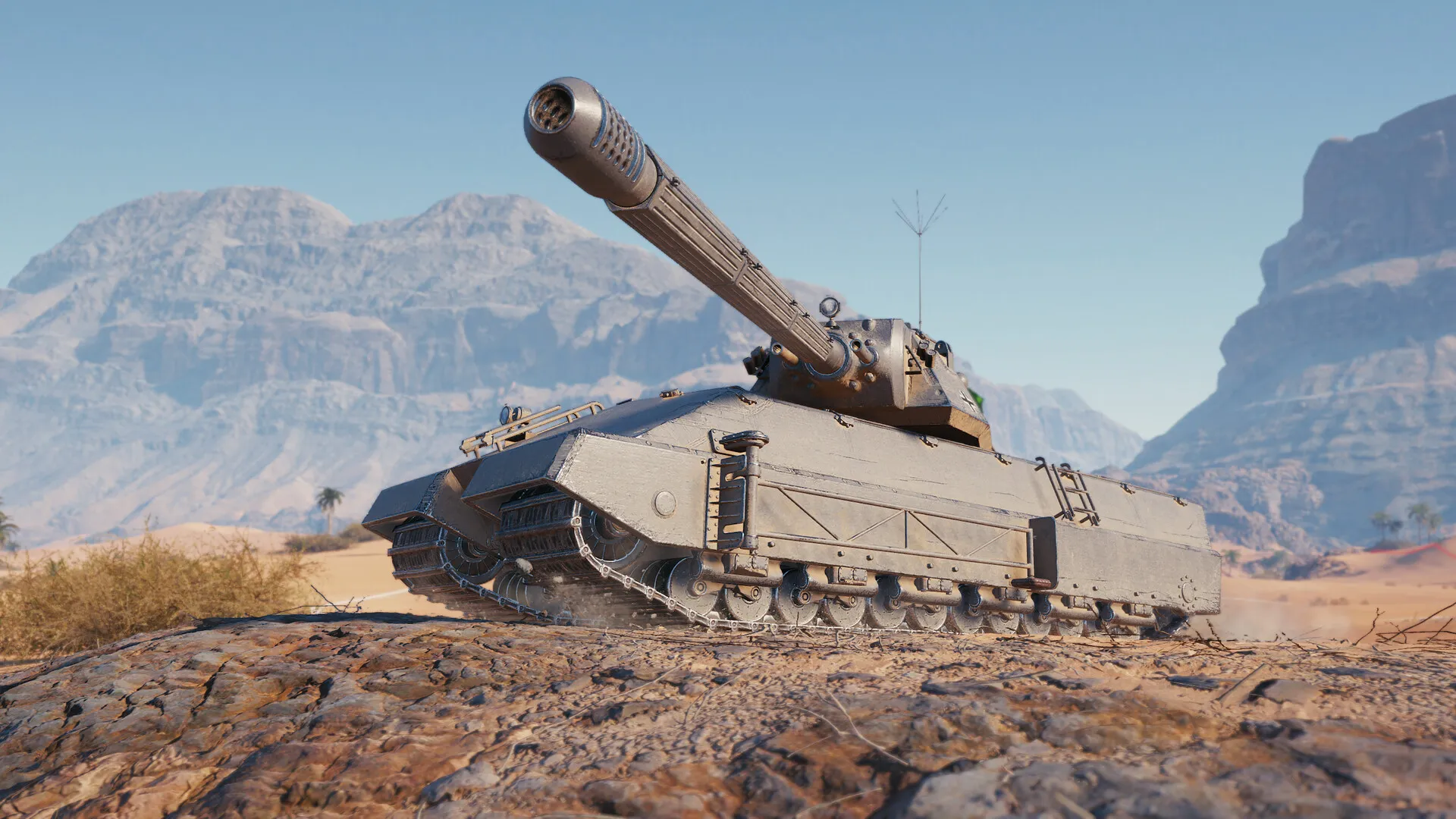
3. How to Use the Spotting System Effectively
Spotting is one of the most misunderstood mechanics in World of Tanks. You cannot shoot what you cannot see, and you cannot survive what sees you first. Spotting depends on view range, camouflage, and line‑of‑sight.
Light tanks excel at spotting due to high camouflage and mobility. Mediums and heavies rely on positioning and equipment. Tank destroyers often remain hidden thanks to high camouflage values. Understanding how to break enemy vision while maintaining your own is essential.
Spotting Tips
- Use bushes to increase camouflage
- Avoid firing when spotted
- Stay behind cover when reloading
The 445‑Meter Rule
View range is capped at 445 meters — anything beyond this only helps counter camouflage.
4. How to Position Yourself on the Battlefield
Positioning determines whether you control the battlefield or become an easy target. Good positioning allows you to fire safely, retreat when needed, and support your team. Poor positioning leads to early death.
Learn the key positions on each map. High ground, hull‑down ridges, and bush lines offer strong advantages. Avoid pushing alone or exposing your sides. Always consider escape routes before engaging.
Positioning Principles
- Never overextend
- Always have cover nearby
- Control key map areas
The High‑Ground Advantage
Elevation provides better vision, safer firing angles, and improved map control.
5. How to Manage Your Team Role
Each tank class has a specific role. Understanding your role helps your team succeed and prevents unnecessary losses. Many players fail because they try to play their tank like another class.
Light tanks scout and spot enemies. Medium tanks flex and support flanks. Heavy tanks anchor positions and absorb damage. Tank destroyers provide long‑range firepower. SPGs offer indirect support.
Role Breakdown
- Light tanks: scouting, flanking
- Medium tanks: support, flexing
- Heavy tanks: frontline brawling
- TDs: sniping, ambushing
- SPGs: area denial
The Teamwork Factor
World of Tanks is not a solo game — your role contributes to the team’s overall strategy.
6. How to Use Map Knowledge to Win
Map knowledge separates average players from experts. Each map has unique lanes, choke points, and vision lines. Knowing where to go — and where not to go — determines your effectiveness.
Study maps to learn strong positions, common enemy routes, and safe retreat paths. Use the minimap constantly to track enemy movements and anticipate flanking attempts.
Map Knowledge Tips
- Learn key positions for each class
- Use the minimap every few seconds
- Predict enemy rotations
The Power of Prediction
Experienced players know where enemies will appear before they show up.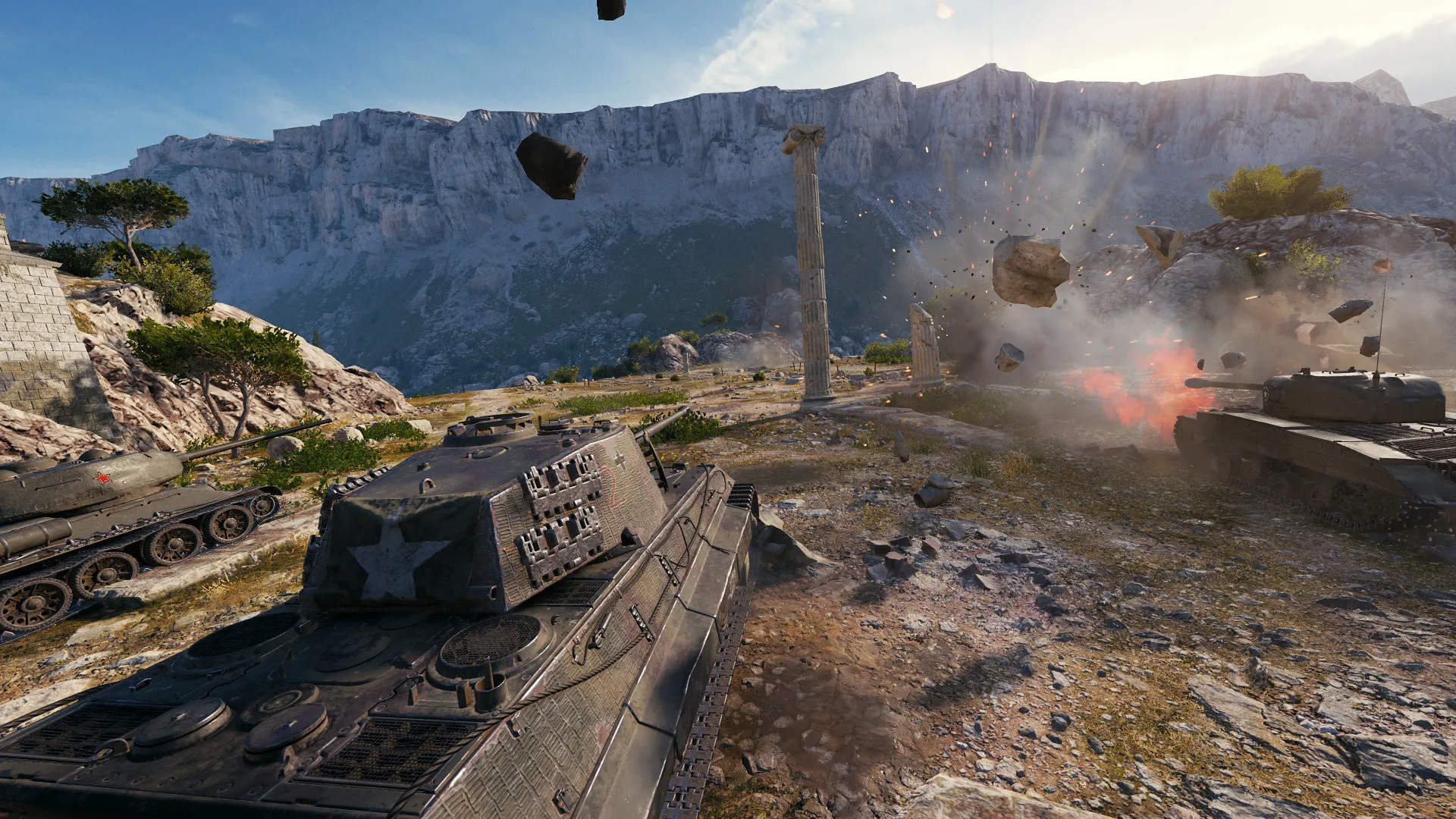
7. How to Manage Ammo, Consumables, and Equipment
Resource management is essential for long‑term success. Ammo types — AP, APCR, HE — each have specific uses. Consumables like repair kits and med kits must be used wisely. Equipment enhances your tank’s strengths.
Choose ammo based on your tank’s gun characteristics. AP is standard, APCR offers higher penetration, and HE is situational. Use consumables only when necessary — repairing a track too early can cost you later.
Equipment Recommendations
- Gun Rammer
- Vertical Stabilizer
- Optics or Binoculars
The Gold Ammo Debate
Premium ammo is powerful but expensive — use it strategically, not constantly.
8. How to Engage in Combat Effectively
Combat in World of Tanks is not about trading shots — it’s about dealing damage safely. Peek‑a‑boom tactics, side‑scraping, and hull‑down playstyles allow you to fire without exposing yourself.
Always aim for weak spots. Use auto‑aim only when circling enemies. Avoid sitting still after firing — relocate or pull back into cover.
Combat Techniques
- Peek‑a‑boom
- Side‑scraping
- Flanking
The Patience Principle
Rushing shots leads to misses and unnecessary exposure.
9. How to Survive the Mid and Late Game
The mid and late game require different strategies than the opening phase. Early on, tanks are plentiful and positions are contested. Later, the battlefield becomes more open, and vision control becomes crucial.
Surviving the late game requires patience, map awareness, and careful positioning. Avoid unnecessary risks. Preserve your HP — a tank with 1 HP can still win the game if played correctly.
Late‑Game Tips
- Preserve HP early
- Play cautiously when outnumbered
- Use vision control to your advantage
The Cleanup Phase
Late‑game tanks with mobility and vision often decide the match.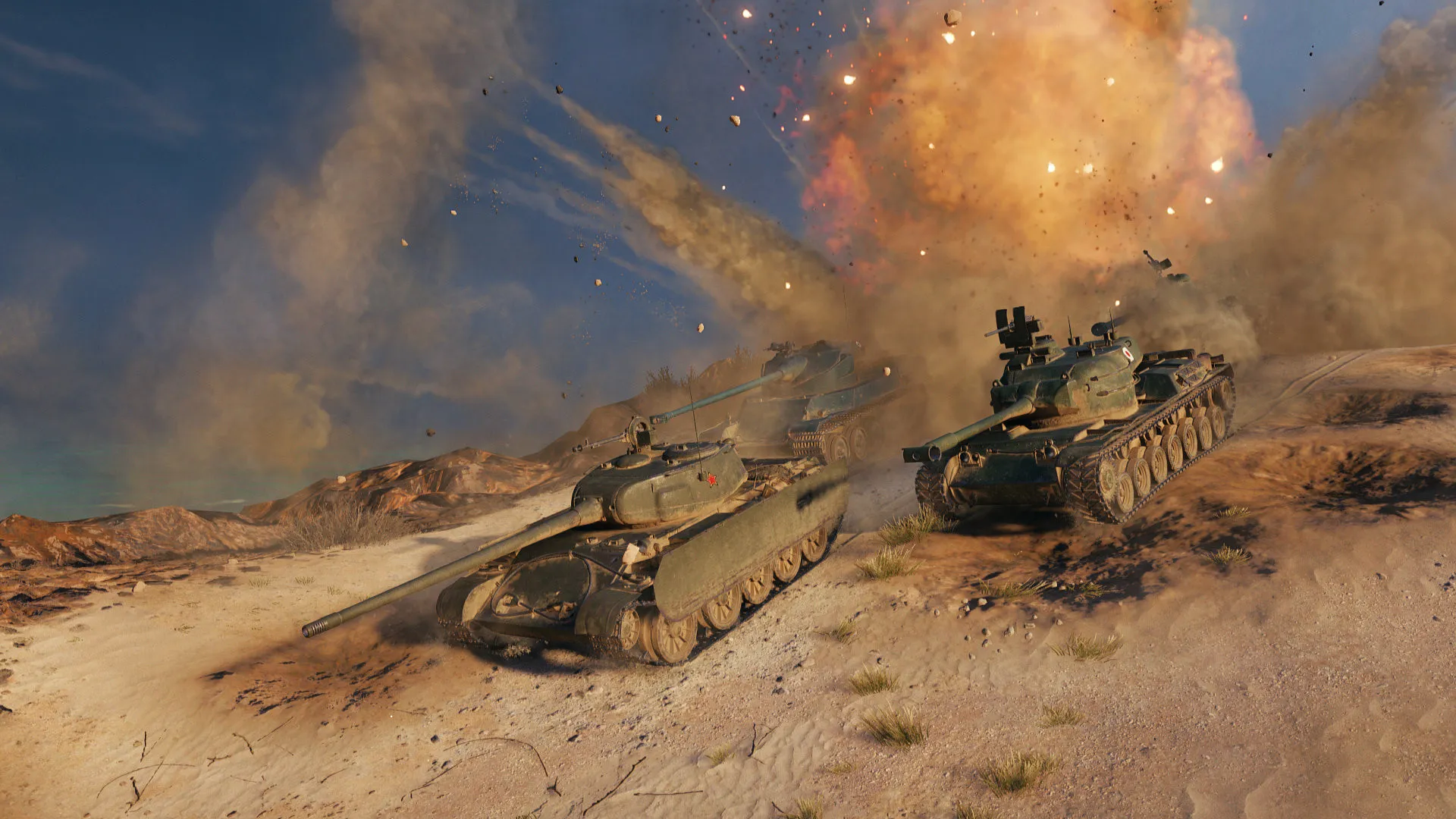
10. How to Improve Over Time
Mastering World of Tanks takes time. The game rewards knowledge, experience, and discipline. Review your replays to identify mistakes. Watch experienced players to learn advanced techniques. Experiment with different tanks and playstyles.
Improvement comes from understanding your weaknesses and refining your strengths. Focus on one skill at a time — positioning, aiming, map knowledge — and gradually build your expertise.
Improvement Tips
- Review replays
- Watch tutorials
- Practice consistently
The Path to Mastery
Mastery is not about perfect aim — it’s about perfect decisions.
Conclusion
World of Tanks is a deep, strategic game where knowledge and decision‑making matter far more than raw mechanics. By understanding tank roles, armor mechanics, spotting, positioning, map knowledge, and resource management, you can dramatically improve your performance.
Whether you’re scouting in a light tank, anchoring a flank in a heavy, or sniping from afar in a tank destroyer, every decision shapes the outcome of the battle. With patience, practice, and strategic thinking, you can become a formidable commander on the battlefield.