.webp)



Rust is widely known as one of the most intense, unpredictable, and competitive survival games ever created. Players across the world constantly look for how to survive in its harsh environment and why it remains a globally recognized hot game. This guide explains everything from Rust’s origins to advanced survival strategies, PvP combat, raiding, and long-term progression. With 10 structured sections arranged by time and meaning, this article gives you a complete overview of Rust.
1. The Origins and Rise of Rust
Rust was originally developed by Facepunch Studios as an experimental multiplayer survival project. Beginning as a combination of Minecraft-style building and DayZ-like survival mechanics, it quickly transformed into a standalone hit. Today, Rust remains one of the most popular games on Steam and continues attracting players who want to learn how to survive and understand why it became a hot game.
As streamers, content creators, and professional clans embraced Rust, its popularity skyrocketed. Massive YouTube series and Twitch events pushed Rust into mainstream gaming culture. Its brutal realism, unpredictable interactions, and player-driven stories differentiate it from nearly every other survival game.
Why Rust Became a Hot Game
Rust appeals to people who want excitement, unpredictability, and competitive energy. The game's focus on survival and confrontation makes it a thrilling experience every time you join a server.
Major Contributing Factors
- Continuous developer updates
- Extreme PvP competitiveness
- Strong influence from major streamers
- Highly social and political gameplay
2. Understanding Rust’s Core Gameplay Mechanics
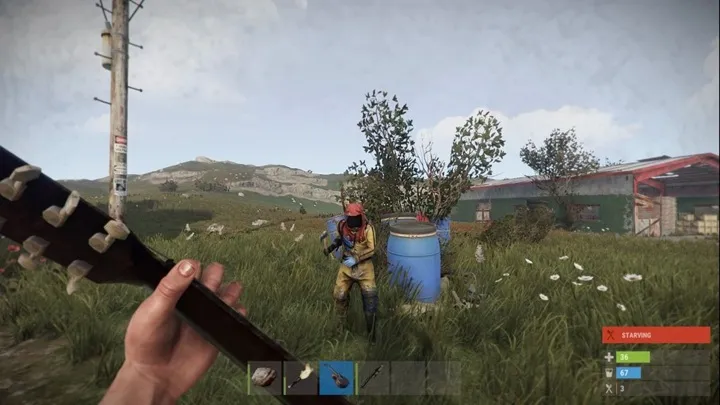
To master Rust, players need a deep understanding of its core mechanics. These include survival systems, inventory management, crafting, building, and combat. Rust doesn't teach players how to play; there is no tutorial, no quests, and no guidance. You learn through failure, experience, and practice.
The environment itself is a constant threat. Temperature, hunger, thirst, radiation, and wildlife all affect your chances of survival. Meanwhile, other players—armed with anything from a rock to a rocket launcher—create unpredictable, often dangerous encounters.
Vital Stats and Conditions
Rust players must constantly manage their survival stats: health, hunger, hydration, and comfort. These conditions influence how quickly you can heal or whether you die from starvation or cold.
Common Threats
- Hostile players
- Radiation zones
- Wild animals
- Starvation or freezing
3. How to Start Rust as a Beginner
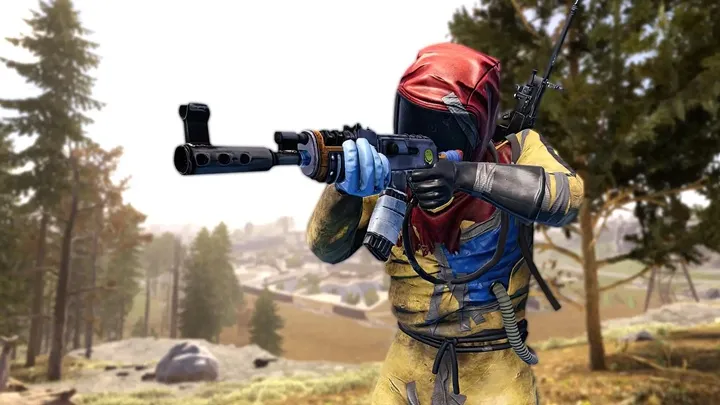
The early game is the hardest phase in Rust. Players spawn with only two items: a rock and a torch. These first 10 minutes often determine whether a player thrives or dies. When searching how to start Rust, new players must learn to quickly gather resources, avoid hostile players, and create a safe base.
Your first priorities are establishing a spawn point, upgrading tools, and gathering enough materials to construct a starter base. The goal is to avoid unnecessary fights until you settle securely.
Beginner Survival Steps
Every beginner should follow a simple progression route immediately after spawning.
Step-by-Step:
- Gather wood and stone
- Craft basic tools
- Collect cloth for a sleeping bag
- Find food or kill animals
- Build a small starter base
4. Resource Gathering and Progression
Rust’s progression system revolves around increasing your resource intake and upgrading your gear. To advance, you must know how to gather efficiently, avoid dangerous zones, and recognize the best farming routes.
Each resource plays a vital role in crafting, building, and upgrading. Skilled players know where to find materials and how to farm quickly without drawing too much attention.
Main Resources
Rust’s core resources form the foundation of your survival and progression.
Top Key Materials
- Wood
- Stone
- Metal ore
- Sulfur ore
- Scrap
5. Building Your First Base
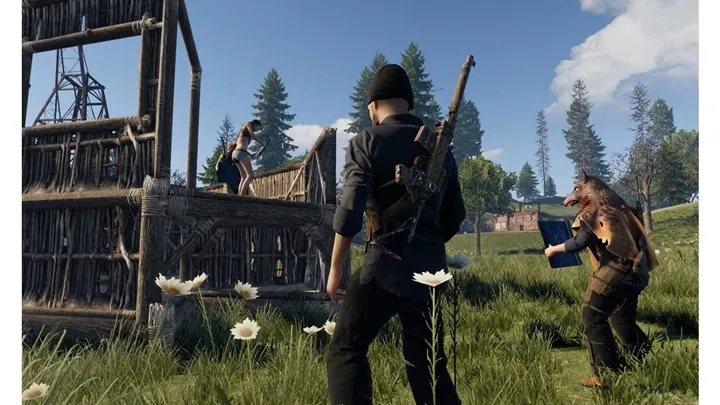
Base building is central to Rust’s gameplay. A well-designed base protects you from raids, offers storage security, and provides a respawn location. Learning how to build efficiently is essential, especially in high-population servers where danger is constant.
Choosing the right location matters as much as the design itself. Building too close to monuments may bring traffic and raids, while isolated areas can provide safety but fewer resources.
Location Selection
A good base location balances safety, accessibility, and available materials.
Ideal Base Spots
- Forest edges
- Hillsides
- Near rivers or lakes
- Far from major monuments
- Hidden valleys
6. Exploring Monuments and Looting
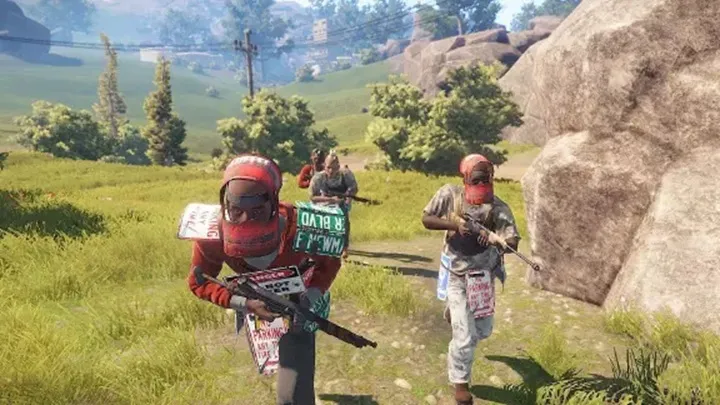
Monuments are high-value areas filled with loot, puzzles, and AI enemies. Learning how to navigate these zones is essential for mid-game progression. Some monuments require radiation protection or puzzle cards to access elite crates.
Each monument type has different levels of risk and reward. Understanding their layouts, spawn points, and enemy types greatly improves your survival rate.
Monument Categories
Rust monuments range from low-tier beginner areas to high-tier intense zones.
Low-Tier
- Lighthouse
- Harbor
- Gas Station
- Supermarket
High-Tier
- Launch Site
- Oil Rig
- Military Tunnels
- Power Plant
7. Mastering PvP Combat
PvP (player versus player combat) is one of the most defining features of Rust. Learning how to control recoil, predict movement, and use terrain gives players a major advantage. Rust’s PvP is known for its difficulty, realism, and high skill ceiling.
Weapons range from simple bows to advanced assault rifles. Each weapon has specific recoil patterns and effective distances. Combat success depends heavily on practice and map knowledge.
Weapon Progression
Players naturally progress through weapon tiers as they gather more resources and craft better gear.
Weapon Tiers
- Bows
- Handmade firearms
- Nailguns
- SMGs
- Assault rifles
- Sniper rifles
8. Raiding and Base Defense
Raiding is the endgame of Rust. It involves attacking other bases using explosives, strategy, and teamwork. Learning how to raid successfully requires planning, communication, and resource management.
Defending your base is equally important. Even the strongest bases can fall if defenses are weak or players are unprepared.
Types of Raids
Different explosive tools create different raid strategies.
Most Common Raids
- Satchel raids
- Explosive ammunition
- C4 charges
- Rocket raids
9. Electricity, Automation, and Advanced Tools
Rust includes a sophisticated electricity system that allows players to build automated traps, doors, turrets, and lighting. Learning how to use electrical components increases your base’s security and your clan’s efficiency.
These systems are considered advanced, but once mastered, they create powerful advantages.
Important Components
Rust electrical systems include dozens of components.
Common Electrical Elements
- Solar panels
- Batteries
- Switches
- Auto turrets
- Timers
- Sensors
10. The Community, Servers, and Long-Term Appeal
Rust has one of the most passionate gaming communities in the world. Streamers, roleplayers, builders, and intense PvP clans all contribute to Rust’s reputation as a long-lasting hot game.
Different server types create unique experiences, and players often choose servers that match their preferred playstyle.
Server Types
Rust servers include official, community-run, and modded experiences.
Popular Server Styles
- Official servers
- Modded servers
- Roleplay servers
- Battlefield servers
- Creative build servers