






Introduction
Pioneers of Pagonia is a deep and methodical city-building and management game that focuses on logistics, population needs, and organic world simulation rather than fast-paced expansion. Developed by the creator of the original Settlers series, the game emphasizes supply chains, workforce balance, and careful planning across a living map filled with terrain challenges and hidden dangers. Success is not measured by speed, but by stability and long-term sustainability.
This Tips & Guides article is designed to help players progress from their first struggling settlement to a well-organized and self-sufficient civilization. The guide follows the natural flow of gameplay, starting with early exploration and basic survival, then moving into mid-game optimization and late-game mastery. Whether you are new to the genre or a veteran city-builder, these insights will help you avoid common pitfalls and build smarter from the ground up.
1. Understanding the Core Gameplay Philosophy
Pioneers of Pagonia is built around realism in logistics and population behavior. Every resource must be gathered, transported, processed, and delivered through real workers moving across the map. Unlike traditional city-builders, resources do not teleport between buildings, which means distance and road planning matter greatly.
The game encourages slow and deliberate expansion. Expanding too quickly without securing food, tools, and housing will cause worker inefficiency and population decline. The core philosophy is balance: growth should always be supported by infrastructure and workforce availability.
Understanding this mindset early prevents frustration. If something is not working, it is usually because a supply chain is broken, overloaded, or understaffed—not because the game is unfair.
2. Early Exploration and Map Awareness
At the start of the game, exploration is one of your most important tasks. Sending pioneers to uncover nearby terrain reveals essential resources such as forests, stone deposits, fertile land, and water sources. Knowing what is available early helps you decide where to build your first production chains.
Terrain plays a significant role in efficiency. Hills, forests, and water bodies slow movement and limit building placement. Flat land near resources is ideal for early expansion, as it minimizes travel time and improves productivity.
It is also important to explore cautiously. Some areas may be guarded by hostile forces or blocked by environmental hazards. Rushing into these zones without preparation can stall progress or drain valuable workers.
3. Establishing a Stable Food Supply
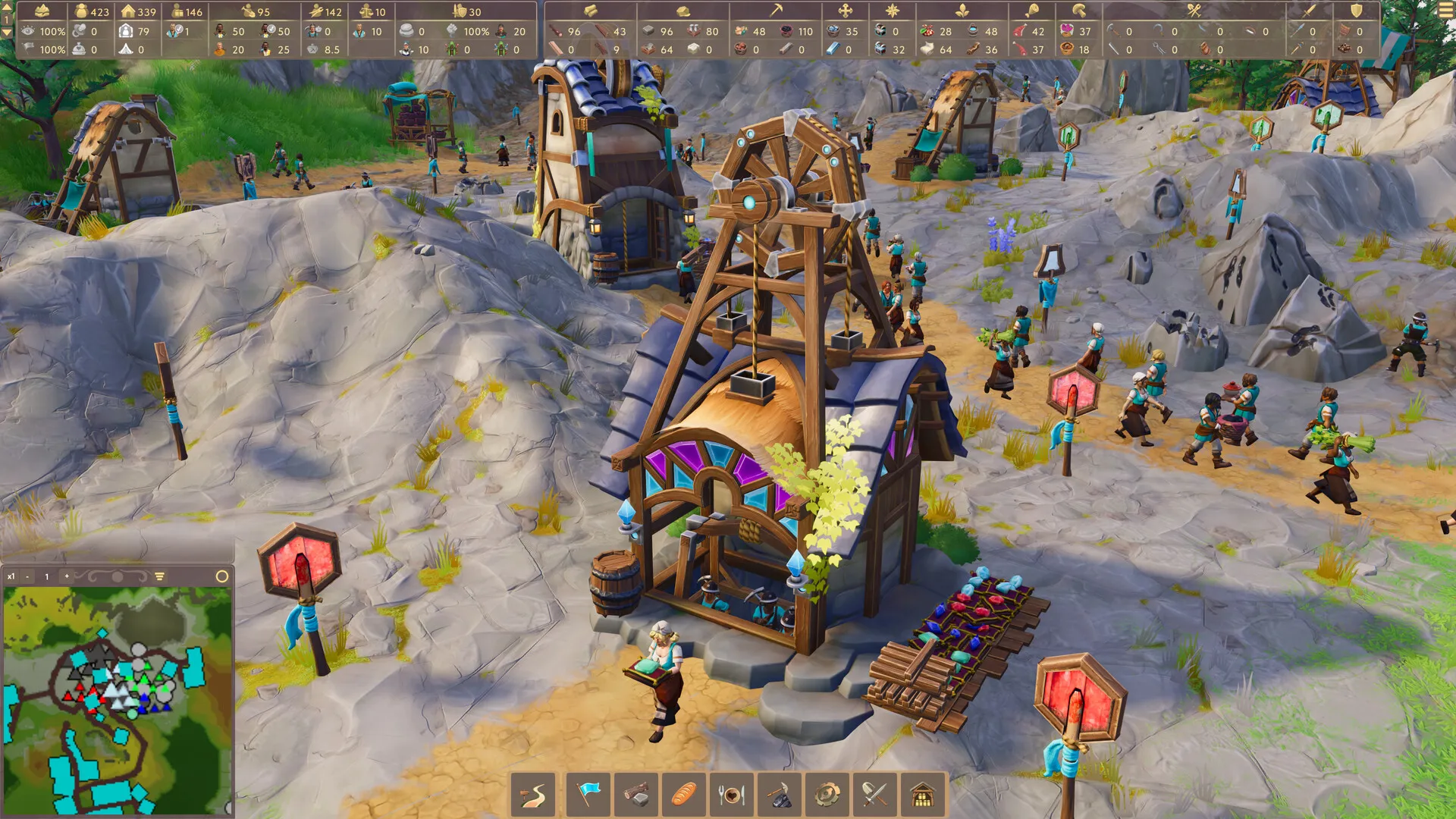
Food is the foundation of every successful settlement in Pioneers of Pagonia. Without consistent food production, population growth halts and workers become inefficient. Early food shortages are one of the most common reasons new players fail.
Begin with simple and reliable food sources that are close to your starting area. Fishing, foraging, and basic farming provide steady output with minimal infrastructure. Avoid over-specializing early, as a single disrupted chain can collapse your food supply.
As your population grows, diversify food production. Different food types help stabilize supply and reduce pressure on any one resource chain. Always monitor consumption rates and increase production before shortages occur.
4. Managing Population and Workforce Balance
Population management in Pioneers of Pagonia is more complex than simply building houses. Each worker has a role, and assigning too many workers to one industry can starve another of labor. Balance is critical.
Early on, prioritize essential roles such as food production, transport, and basic resource gathering. Luxury goods and advanced industries should wait until your core economy is stable. Idle workers may seem harmless, but excessive idle population strains housing and food systems.
Housing placement also matters. Workers living far from their jobs spend more time walking and less time producing. Building residential areas near key production zones improves efficiency and reduces bottlenecks.
5. Building Efficient Production Chains
Production chains are the heart of Pagonia’s economy. Raw materials must flow smoothly through multiple stages before becoming usable goods. Any break in the chain causes delays that ripple through your settlement.
When planning production, consider the entire lifecycle of a resource. For example, woodcutting requires foresters, storage, transport, and tool supply. If one link is weak, the entire chain slows down.
Key tips for efficient production chains include:
- Keep related buildings close together
- Ensure storage buildings are nearby
- Avoid overproducing raw materials without processing capacity
- Regularly check worker availability
Efficiency comes from clarity and organization, not from sheer size.
6. Road Networks and Transportation Optimization
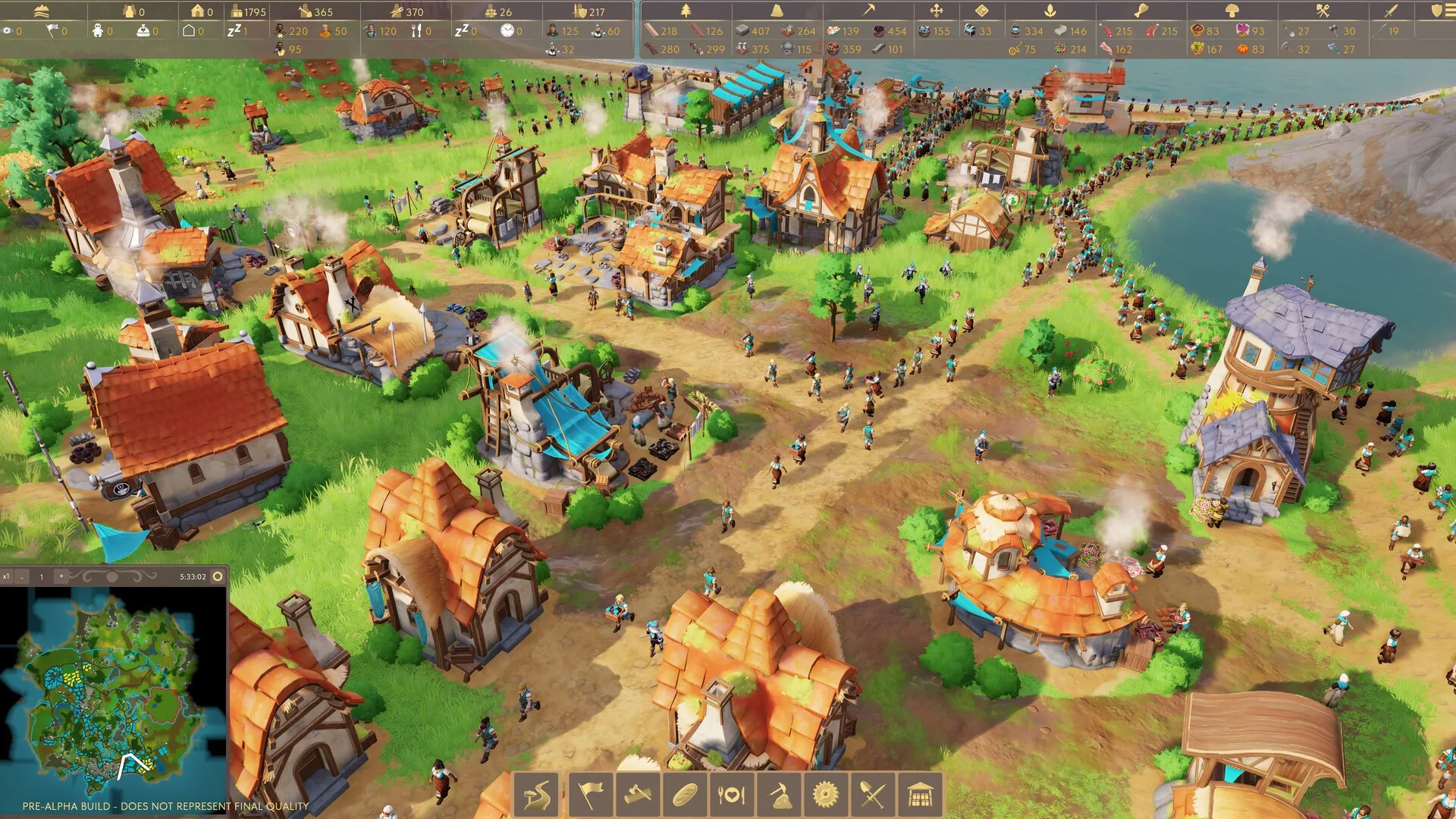
Roads are more than visual features—they directly affect productivity. Workers carrying goods move faster on roads, making proper road placement essential for long-distance logistics.
Early road planning saves massive effort later. Connect production areas to storage hubs and residential zones using direct routes. Avoid winding paths that increase travel time unnecessarily.
As your settlement expands, upgrade road networks and eliminate chokepoints. Congested paths slow down transport and cause hidden inefficiencies that are difficult to diagnose without careful observation.
7. Tool Production and Resource Sustainability
Tools are a silent but crucial requirement in Pioneers of Pagonia. Without tools, workers become ineffective, production slows, and entire industries may shut down.
Start tool production earlier than you think you need it. A shortage of tools can cripple your economy long before resources visibly run out. Always monitor tool stockpiles and consumption rates.
Sustainability also applies to natural resources. Over-harvesting forests or mines without replenishment leads to long-term shortages. Plan renewable cycles by balancing extraction with regrowth and exploration of new resource areas.
8. Defensive Planning and Threat Management
While Pioneers of Pagonia is primarily a peaceful builder, threats do exist. Hostile forces and dangerous zones can disrupt expansion and threaten isolated infrastructure.
Do not ignore defense entirely, even in early stages. Securing key chokepoints and protecting vital production zones prevents costly interruptions. Defensive structures should support expansion, not restrict it.
As the game progresses, threats become more complex. Preparing early gives you flexibility and prevents panic-driven decisions that destabilize your economy.
9. Expanding Territory Without Overextending
Expansion is tempting, but overextension is one of the biggest mistakes players make. Each new area requires infrastructure, workers, and protection. Expanding faster than your economy can support leads to inefficiency and collapse.
Expand in logical phases. Secure resources, stabilize production, then push outward. Each expansion should serve a clear purpose, such as accessing a new resource or reducing transport distance.
Before expanding, ask yourself:
- Can my current food supply support more workers?
- Do I have enough tools and housing?
- Will this expansion improve efficiency or just increase complexity?
Disciplined expansion leads to long-term success.
10. Long-Term Optimization and Settlement Mastery
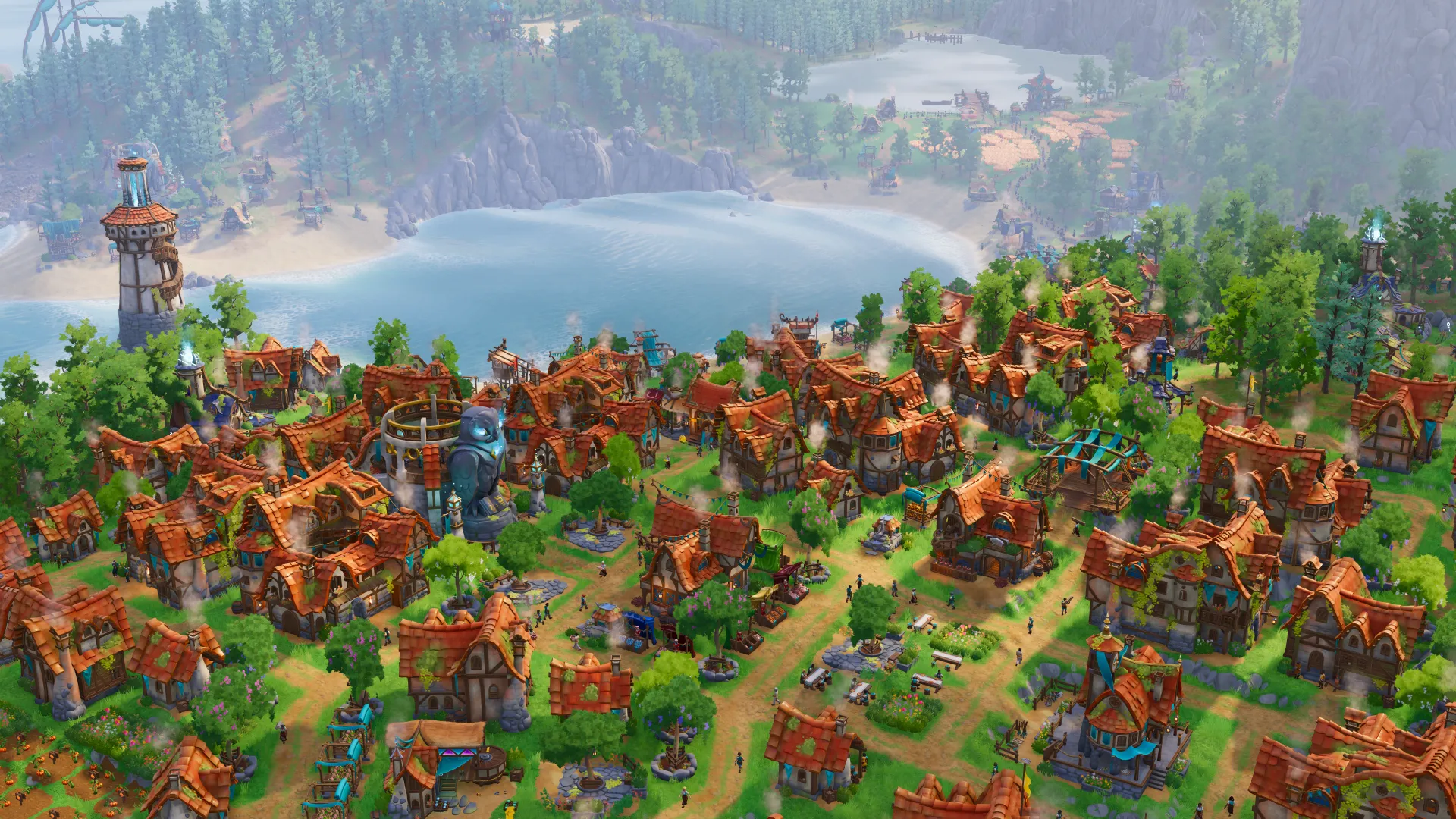
Late-game success in Pioneers of Pagonia comes from refinement rather than growth. By this stage, your settlement should function smoothly, allowing you to focus on optimization and resilience.
Identify weak points by observing idle workers, delayed deliveries, and resource imbalances. Small adjustments in road layout or worker assignment often produce significant improvements.
Mastery also involves patience. A well-optimized settlement runs quietly and efficiently, without constant intervention. The goal is not maximum size, but maximum stability.
Conclusion
Pioneers of Pagonia rewards thoughtful planning, patience, and attention to detail. Unlike fast-paced city-builders, it challenges players to think holistically about logistics, population needs, and long-term sustainability. Every decision has consequences that echo throughout your settlement.
By understanding core systems, building efficient production chains, and expanding responsibly, you can transform a fragile outpost into a thriving and resilient civilization. With time and practice, Pagonia becomes less about survival and more about elegant, living systems working in harmony.
160-Character Summary:
Master Pioneers of Pagonia with expert tips on food, logistics, population balance, production chains, roads, and long-term settlement strategy.