.webp)







Introduction
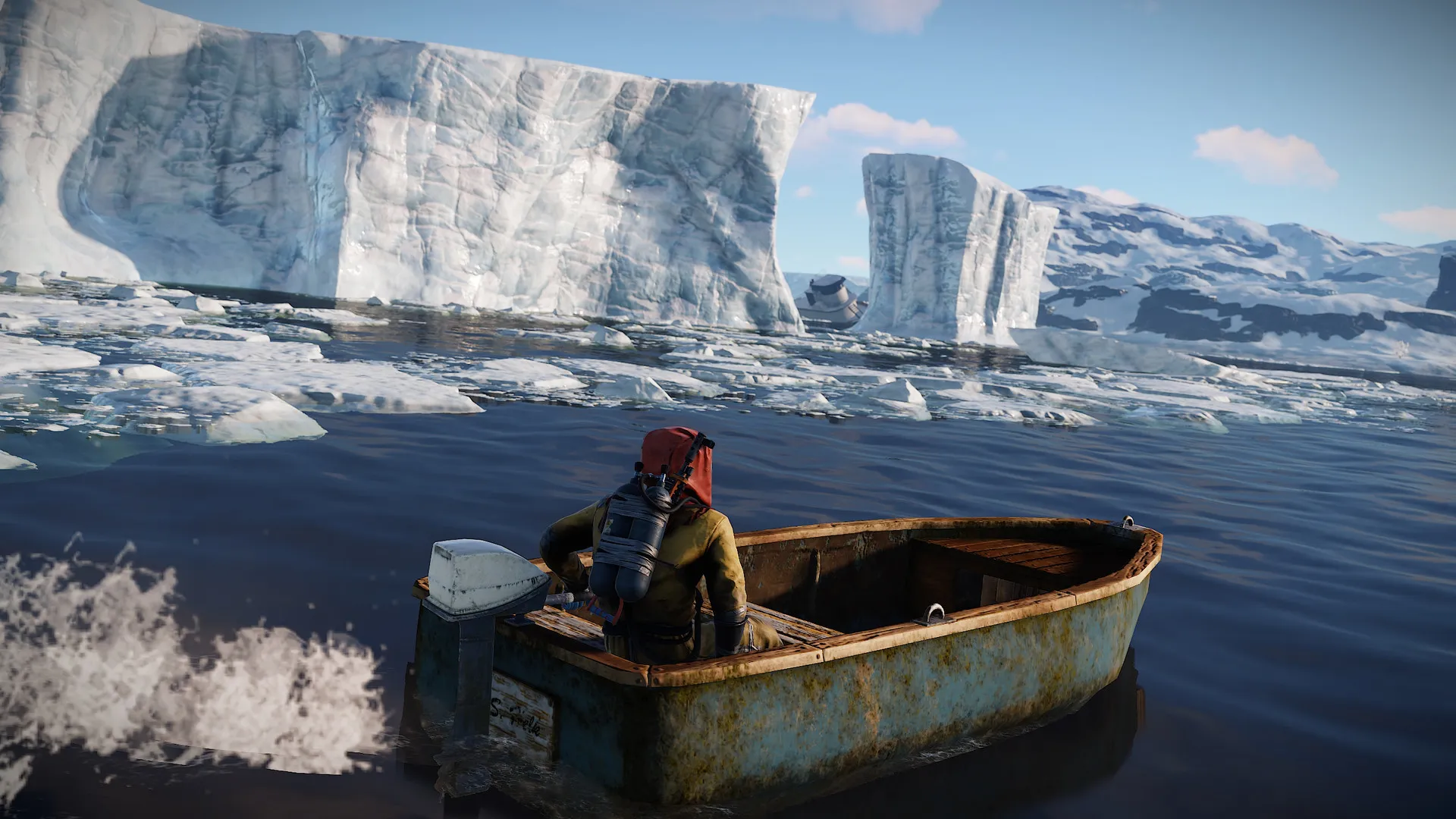
Rust is one of the most unforgiving multiplayer survival games ever created. Developed by Facepunch Studios, Rust throws players into a hostile world where survival depends on resource management, base building, combat skills, and strategic decision-making. Unlike many survival games, the greatest threat is often not wildlife or the environment, but other players who can raid your base, steal your loot, and kill you at any moment.
The beauty of Rust lies in its progression system. Every wipe begins with players spawning on the beach carrying nothing but a rock and a torch. Within days, the same players may control massive compounds, fly helicopters, launch rockets, and dominate entire regions of the map. However, reaching that stage requires knowledge, planning, and efficiency.
This guide provides practical tips and strategies for every stage of progression, from surviving your first few minutes to controlling endgame territory. Whether you are a solo player, part of a small group, or a member of a large clan, these tips will help you survive longer and progress faster.
1. Master the First Hour After Spawn
The first hour often determines the success of your entire wipe. Many players waste valuable time fighting with primitive weapons or running aimlessly across the map. The goal during this phase is simple: gather resources and secure a location.
Immediately after spawning, begin collecting wood, stone, and cloth. Avoid engaging in unnecessary fights because every death delays progression. Instead, focus on building tools and securing a sleeping bag as quickly as possible.
Early Priorities
Focus on:
- Gathering stone and wood
- Collecting cloth
- Crafting tools
- Finding food
- Placing sleeping bags
Why Sleeping Bags Matter
Sleeping bags provide nearby respawn points. Without them, death can send you back to distant beaches, wasting significant time.
Pro Tip
Place multiple sleeping bags around your territory. Backup respawn locations are invaluable during raids and PvP encounters.
2. Build a Smart Starter Base
Your first base does not need to be large. In fact, oversized starter bases often attract attention and waste resources. Efficiency matters more than appearance.
A small, well-designed starter base can protect loot while allowing rapid progression toward better equipment.
Essential Starter Base Components
Every starter base should include:
- Tool Cupboard
- Airlock
- Furnace
- Storage Boxes
- Sleeping Bag
These items create a secure foundation for future expansion.
Choosing a Good Location
Ideal locations include:
- Near roads
- Close to resource nodes
- Away from major clan territories
- Near beginner monuments
Good positioning reduces travel time and improves farming efficiency.
Avoid Popular Areas
Building directly beside Launch Site or other high-tier monuments often attracts experienced groups.
3. Learn Efficient Resource Farming
Resources are the foundation of progression. Players who gather efficiently gain access to stronger bases, better weapons, and faster advancement.
Many beginners farm randomly without understanding resource priorities.
Most Important Resources
Focus on gathering:
- Wood
- Stone
- Metal Ore
- Sulfur Ore
- Scrap
Each resource serves a critical role in progression.
Farming Routes
The most efficient farming routes usually combine:
- Tree harvesting
- Node farming
- Road loot collection
- Barrel breaking
This approach maximizes resource gain per trip.
Banking Resources
Deposit materials frequently. Carrying large amounts of resources increases the consequences of dying.
4. Understand Scrap and Blueprint Progression
Scrap is Rust's most valuable progression currency. It unlocks technology, blueprints, and advanced crafting options.
Players who manage scrap efficiently often reach firearms much faster than their competitors.
Best Scrap Sources
Reliable scrap sources include:
- Road barrels
- Monuments
- Recyclers
- Military crates
- Quests
Road farming is especially effective during early progression.
Smart Blueprint Choices
Prioritize unlocking:
- Weapons
- Ammunition
- Medical items
- Base defenses
- Utility equipment
Avoid wasting scrap on unnecessary items early in the wipe.
Research Before Spending
Every blueprint should contribute directly to survival or progression.
5. Improve Your PvP Skills
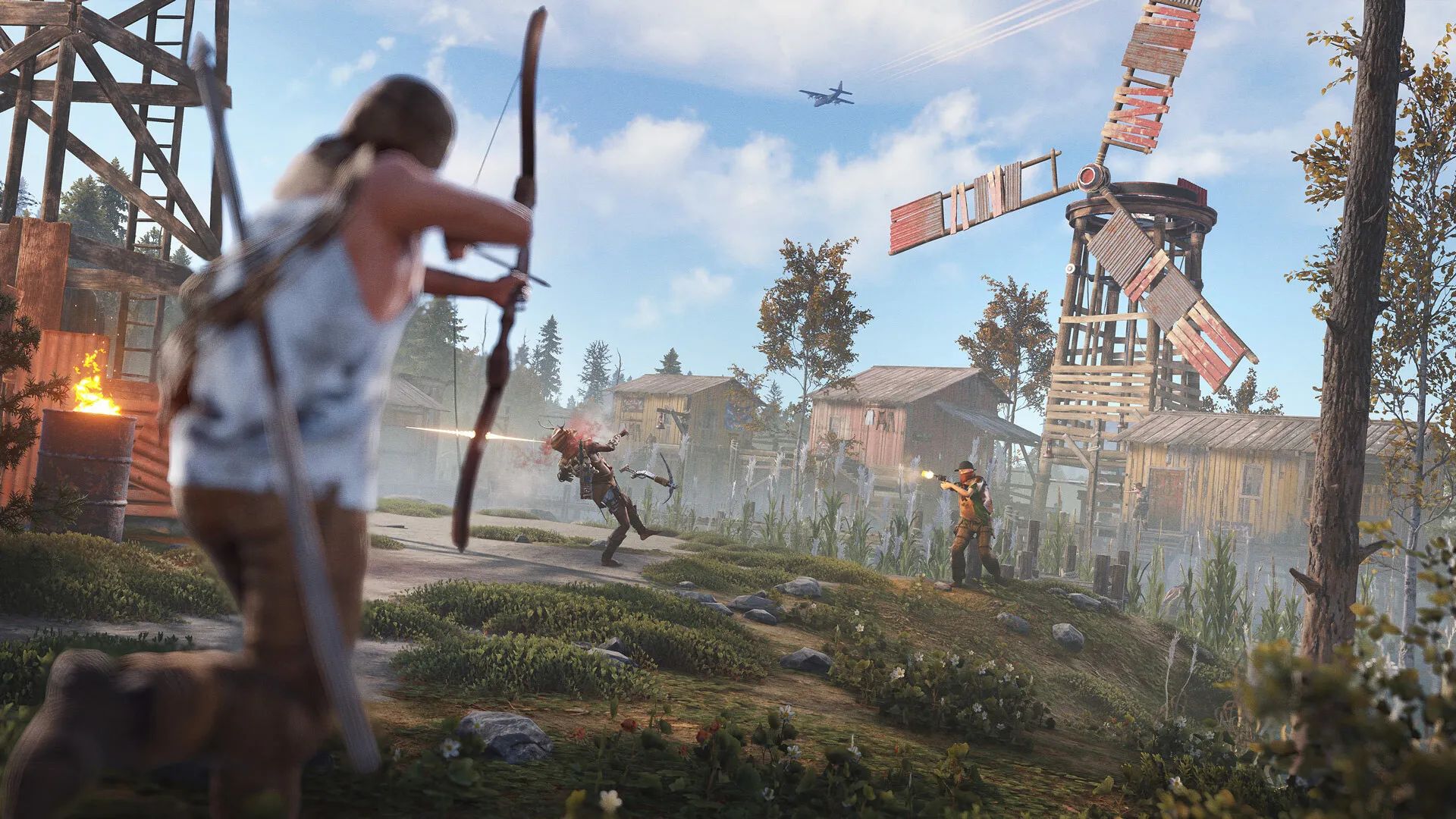
No matter how good your base is, Rust eventually forces players into combat situations. PvP skill often determines who keeps their loot and who loses everything.
Mechanical aim matters, but game sense is equally important.
Core PvP Fundamentals
Successful players focus on:
- Positioning
- Cover usage
- Sound awareness
- Recoil control
- Movement
Winning fights often begins before the first shot is fired.
Common Beginner Mistakes
Avoid:
- Running in open fields
- Reloading unnecessarily
- Fighting while overloaded
- Ignoring sound cues
Awareness frequently matters more than weapon quality.
Practice Consistently
Dedicated aim training servers can dramatically improve combat performance.
6. Run Monuments More Effectively
Monuments provide some of the best loot in Rust. However, they also attract other players seeking the same rewards.
Understanding monument progression helps reduce risk while maximizing profit.
Beginner-Friendly Monuments
Start with:
- Gas Station
- Supermarket
- Harbor
- Mining Outpost
These monuments provide valuable loot without requiring advanced gear.
Advanced Monuments
Later progression includes:
- Airfield
- Train Yard
- Water Treatment
- Military Tunnels
- Launch Site
Higher risk generally results in better rewards.
Monument Timing
Running monuments during off-peak hours often reduces PvP encounters.
7. Upgrade and Defend Your Base
As resources accumulate, your starter base becomes increasingly vulnerable. Upgrading defenses becomes essential.
Strong defenses discourage raiders and protect valuable loot.
Structure Upgrade Path
Upgrade building materials in this order:
- Wood
- Stone
- Sheet Metal
- Armored
Stone should be considered the minimum standard for permanent structures.
Important Defensive Features
Include:
- Airlocks
- Multiple door layers
- Shotgun traps
- Garage doors
- Roof access
Each layer increases raid costs.
Hidden Loot Rooms
Splitting valuable loot across multiple locations reduces losses if raiders breach part of the base.
8. Master Mid-Wipe Progression
The middle phase of a wipe separates casual players from serious competitors.
At this stage, players should focus on improving efficiency and securing stronger equipment.
Mid-Wipe Goals
Work toward:
- Tier 2 Workbench
- Semi-automatic weapons
- Better armor
- Vehicle access
- Sulfur stockpiles
These upgrades significantly improve survivability.
Team Coordination
Groups should divide responsibilities:
- Farmers
- Builders
- PvP players
- Monument runners
Specialization increases productivity.
Efficiency Matters
The strongest groups are not always the most skilled fighters—they are often the most organized.
9. Prepare for Raiding
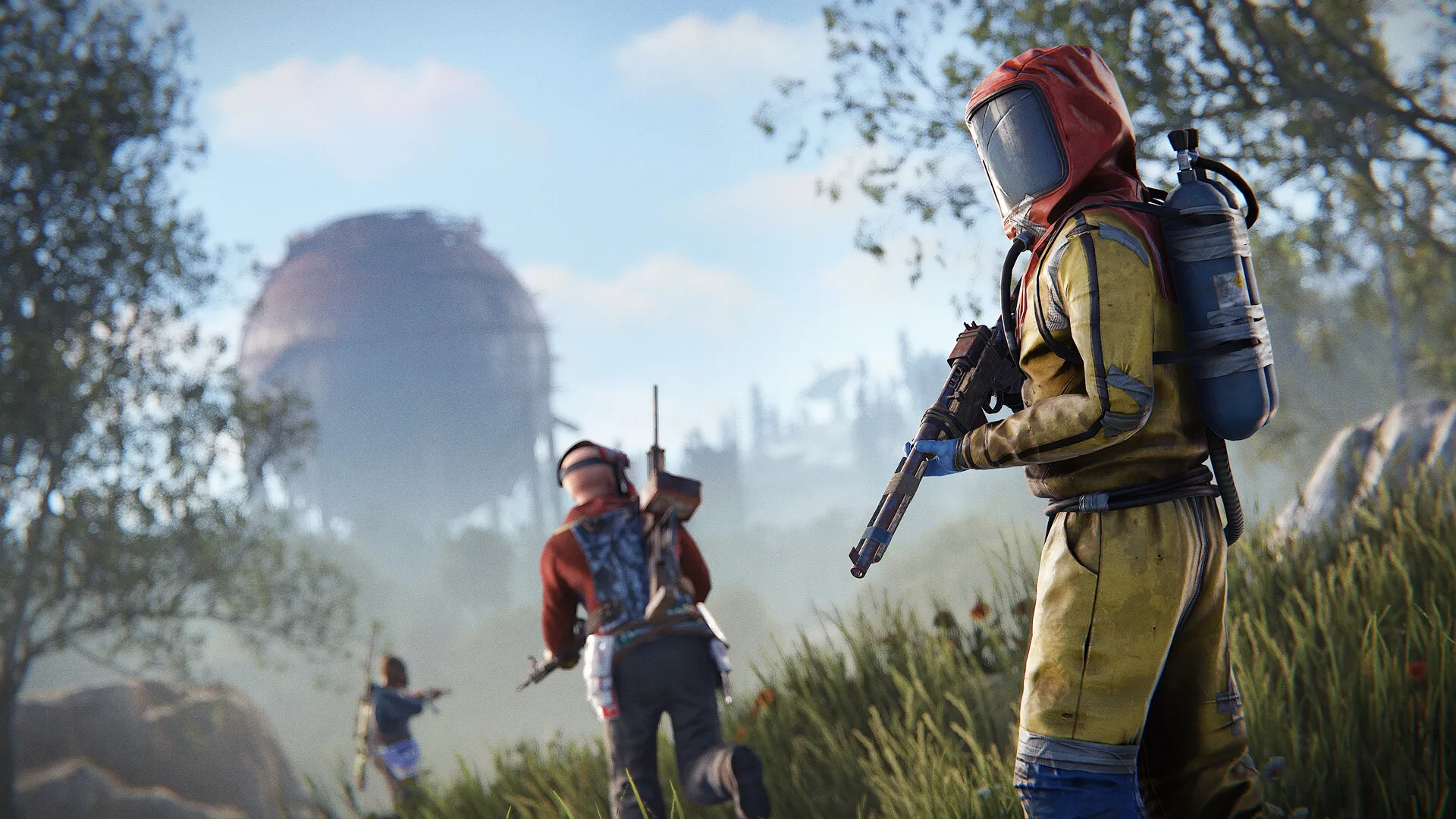
Raiding is one of Rust's defining activities. Successful raids can provide enormous rewards, while failed raids can destroy weeks of preparation.
Preparation determines success.
Essential Raid Resources
Gather:
- Sulfur
- Gunpowder
- Metal Fragments
- High Quality Metal
Sulfur is particularly important because it fuels explosive production.
Raid Planning Checklist
Before raiding:
- Scout the target
- Estimate raid costs
- Plan entry routes
- Prepare transportation
- Secure backup supplies
Good planning reduces wasted resources.
Risk vs Reward
Not every base is worth raiding. Smart players evaluate potential profits before committing explosives.
10. Dominate the Endgame
Endgame Rust revolves around territory control, efficient resource management, and maintaining power.
At this stage, survival is no longer the challenge. Maintaining dominance becomes the primary objective.
Endgame Priorities
Experienced players focus on:
- Compound expansion
- Monument control
- Vehicle fleets
- Sulfur farming
- Defensive improvements
Control of resources often translates directly into server influence.
Long-Term Success Strategies
Successful groups:
- Farm consistently
- Defend territory
- Manage alliances carefully
- Prepare for counter raids
- Adapt to changing server dynamics
Rust rewards players who think strategically.
The True Endgame
The most powerful players combine combat skill, economic efficiency, strong base design, and intelligent decision-making.
Conclusion
Rust remains one of the most intense and rewarding survival games ever made because every decision carries consequences. From the moment you spawn on the beach until the final days of a wipe, progression depends on balancing farming, building, combat, and strategic planning. Players who master these systems gain a significant advantage over those who rely solely on mechanical skill.
The key to success is understanding priorities at each stage of the game. Secure resources early, build intelligently, spend scrap wisely, improve PvP skills, and continuously strengthen your defenses. Over time, these habits create a powerful foundation for long-term success.
Whether your goal is surviving as a solo player, thriving with a small group, or dominating an entire server as part of a clan, applying these tips and guides will help you progress faster, protect your loot, and enjoy everything Rust has to offer.