





Tavern Keeper is a management simulation where success depends on planning, efficiency, and understanding customer behavior rather than simple expansion. Running a tavern is not just about serving drinks—it is about balancing supply chains, staff performance, customer satisfaction, and long-term reputation.
This blog explains how to play Tavern Keeper effectively by focusing on workflow optimization, smart upgrades, and decision-making that keeps your tavern profitable and stable as demand grows.
Understanding the Core Tavern Loop
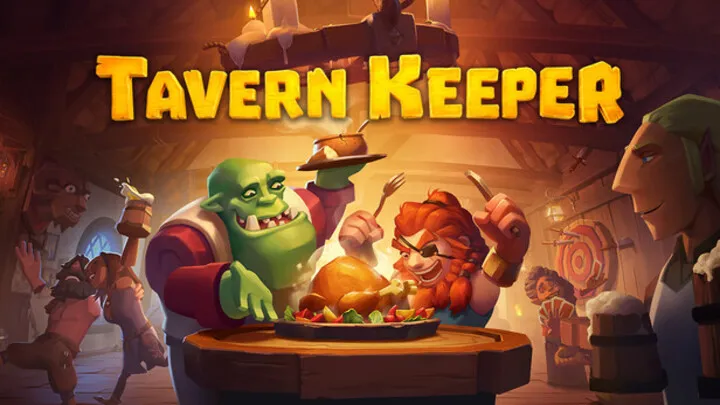
Every in-game day follows a predictable cycle:
- Prepare supplies
- Open the tavern
- Serve customers
- Manage staff and issues
- Close, review, and upgrade
Efficiency within this loop determines your profit margin.
Early Game: Build Foundations, Not Size
New players often expand too quickly.
Early Priorities
- Secure reliable drink production
- Hire minimal but effective staff
- Keep menu options simple
A small, efficient tavern performs better than a large, chaotic one.
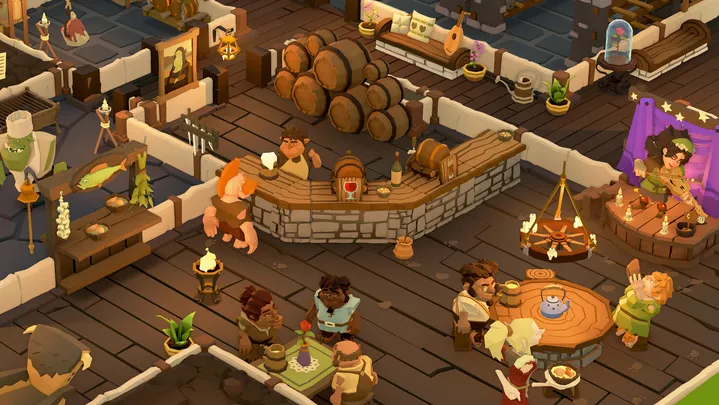
Customer Flow and Seating Strategy
How customers move matters.
Flow Optimization Tips
- Place seating near service points
- Avoid narrow walking paths
- Separate entry and exit zones
Smooth movement reduces wait times and frustration.
Menu Design and Profit Balance
Not all items are equally valuable.
Smart Menu Strategy
- Focus on high-margin drinks
- Limit complex recipes early
- Adjust menu based on demand
A focused menu increases speed and consistency.
Staff Management and Efficiency
Staff behavior directly affects service quality.
Staff Optimization Tips
- Match roles to strengths
- Avoid overworking employees
- Schedule breaks carefully
Happy staff work faster and make fewer mistakes.
Supply Chain and Inventory Control
Running out of supplies is costly.
Inventory Best Practices
- Maintain buffer stock
- Monitor usage trends
- Avoid overstocking perishables
Balanced inventory prevents downtime and waste.
Handling Peak Hours
Rush periods define success or failure.
Peak Hour Preparation
- Pre-brew popular drinks
- Assign extra servers
- Simplify menu temporarily
Preparation keeps service smooth during chaos.
Upgrades That Actually Matter
Not all upgrades are equal.

High-Impact Upgrades
- Faster service tools
- Storage expansion
- Staff efficiency bonuses
Choose upgrades that reduce bottlenecks first.
Reputation and Long-Term Growth
Reputation shapes future demand.
Reputation Management
- Maintain consistent quality
- Resolve complaints quickly
- Avoid cutting corners
Strong reputation brings higher-paying customers.
Avoiding Common Tavern Failures
Most failures are preventable.
Mistakes to Avoid
- Expanding before stabilizing
- Ignoring staff morale
- Overcomplicating workflows
Simplicity is power.
Conclusion
Tavern Keeper rewards thoughtful management, not reckless growth. By mastering customer flow, staff efficiency, menu balance, and supply control, you can build a tavern that thrives even during peak demand. Long-term success comes from consistency, planning, and understanding that every decision affects the entire system.
A well-run tavern is not loud—it is smooth.