





The Real Reason Dispatch Became a Narrative Gaming Phenomenon: An In-Depth Analysis of Choice Consequences
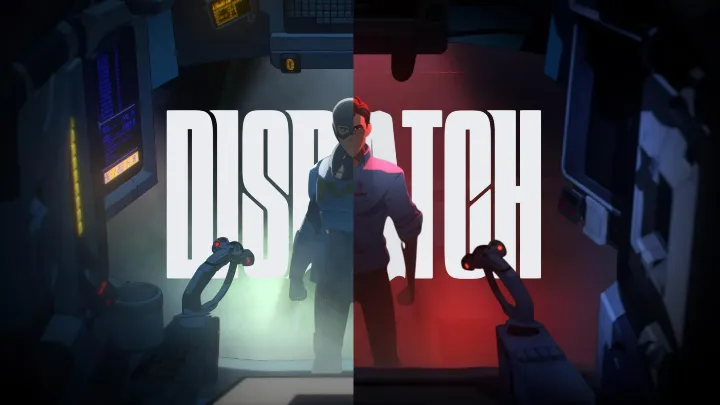
Dispatch is not popular because it is a superhero game. It is popular because it forces players to live with their decisions in a way that feels permanent, uncomfortable, and deeply human. Developed by former Telltale writers, Dispatch focuses on one core issue: how player choices shape long-term narrative trust, team dynamics, and emotional responsibility. This article does not explain what Dispatch is. Instead, it examines how its decision system works over time, why it feels heavier than in most games, and where it succeeds and fails as a modern narrative design experiment.
1. The First Hour – Teaching Players That Choices Hurt
The opening hour of Dispatch is deceptively calm. Early decisions feel small and low-risk, encouraging players to respond instinctively rather than analytically. This design lowers psychological defenses and invites honest expression before the player understands the system’s depth. By the time the first major "Flashpoint" occurs, the player has already established a behavioral baseline that the game will use against them for the next twenty hours. By postponing visible consequences, Dispatch quietly records tone, intent, and behavioral patterns. When outcomes finally surface, players realize their early “harmless” decisions have already shaped character perception and narrative direction. This "delayed fuse" design prevents players from "gaming the system" by reloading saves, as the root of the consequence is often buried three chapters deep in a seemingly throwaway conversation.
2. Dialogue Is Not Flavor, It Is Infrastructure
In Dispatch, dialogue choices function as narrative infrastructure rather than optional flavor. Each response is internally categorized by intent such as empathy, authority, avoidance, or sarcasm. These tags influence future dialogue availability without being shown to the player. Unlike the "Good/Evil" binary of older RPGs, Dispatch uses a multi-axis intent engine that tracks the way you lead, not just what you decide. Over time, certain dialogue options disappear permanently. This is not due to plot constraints but because the game determines that the player-character would no longer speak that way, reinforcing a sense of identity commitment. If you consistently play as an authoritarian leader, the game eventually removes the ability to offer soft, empathetic apologies, forcing you to maintain the "mask" you have built for yourself.
3. Emotional Memory and Character Trust Systems
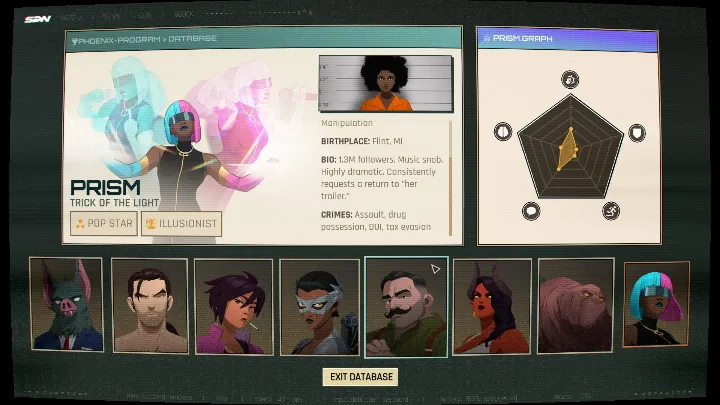
Dispatch replaces traditional approval meters with emotional memory. Characters remember how the player acts under pressure more strongly than how they behave during calm moments. Support during failure outweighs praise during success. This creates a non-linear relationship graph where a character might hate your methods but trust your reliability, or love your personality but refuse to follow you into battle. This creates asymmetric relationships where trust is fragile and difficult to rebuild. The system mirrors real human interaction, where one moment of betrayal can eclipse multiple positive encounters. Characters in Dispatch do not "forgive" just because you gave them a gift or chose a specific dialogue prompt; they carry the trauma of your previous failures into every subsequent scene, altering their tone and body language.

4. Dispatching Heroes as a Moral Decision
Assigning heroes to missions in Dispatch is not a neutral strategic action. Each dispatch reflects priorities such as efficiency, loyalty, safety, or emotional consideration. Characters remember being overused or repeatedly placed in danger. If you send the same hero on high-risk solo missions because they are "expendable" in your eyes, they will eventually stop reporting back with full information, or worse, they will begin to doubt the mission's morality entirely. The game forces players to confront leadership ethics. Optimal mission outcomes often come at the cost of emotional damage, blurring the line between effective management and moral compromise. You aren't just managing health bars; you are managing the mental health of a paramilitary unit that is constantly judging your worth as a commander.
Leadership Conflict Factors
- Efficiency vs. Empathy: Placing the best hero in danger vs. resting an exhausted friend.
- Calculated Risk: Accepting a 10% chance of permanent death for mission success.
5. Time as a Narrative Weapon
Dispatch uses time as a narrative tool rather than a pacing mechanism. Characters reference past decisions in emotional terms rather than chronological markers, reinforcing continuity across episodes. This is achieved through a "Memory Log" system that tracks significant interactions and ensures that a sarcastic comment from Episode 1 comes back to haunt you in Episode 5 when you need that same character’s help. Because consequences unfold gradually, players cannot easily trace cause and effect. This delayed feedback deepens realism but also increases emotional weight, as regret often arrives too late for correction. It creates a sense of "narrative gravity" where the weight of your past self makes it harder and harder to change course in the final acts of the game.
6. Voice Acting as an Emotional Consequence Amplifier
Voice acting in Dispatch actively shapes player interpretation. Identical lines of dialogue can sound supportive, cold, or exhausted depending on prior relationship states. The developers utilized dynamic recording sessions where actors performed the same lines under various "emotional modifiers," which are triggered based on the player’s trust score with that character. This creates moments where players feel misrepresented by their own choices. If you choose a "firm" option but your relationship with the character is strained, the voice actor may deliver the line with a sneer you didn't intend. The resulting discomfort forces reflection on intention versus impact, a central theme of the game’s design: in leadership, it doesn't matter what you meant to say; it only matters what your team heard.

7. Replayability Versus Narrative Commitment
Dispatch discourages casual replay by locking players into long-term narrative paths. Many choices permanently close off content, preventing completionist playstyles from feeling satisfying. The game wants you to have a "singular" experience that feels like your personal truth, rather than a collection of "what-if" scenarios explored via quick-loading. This design prioritizes narrative coherence over exploration. Players who commit to a single path experience deeper emotional continuity, while those who replay must accept fragmented identity shifts. By making it difficult to see everything in one go, the game elevates the value of the choices you did make, as they are the only ones that define your specific version of the story.
8. The Illusion of Player Control
Despite its emphasis on choice, Dispatch frequently removes player control at critical moments. Some failures are unavoidable regardless of preparation or intent. This is a deliberate subversion of the "player power fantasy" prevalent in most gaming. You can do everything right—be the perfect leader, maintain high trust, and pick the best gear—and a mission can still end in tragedy due to external factors. Rather than undermining agency, this reinforces the game’s theme: leadership does not guarantee control. Responsibility exists even when outcomes cannot be altered. The true choice in Dispatch is not "how do I win?" but "how do I respond when I lose?" It focuses the gameplay on the aftermath of crisis rather than the prevention of it.
9. Community Division and Player Interpretation
Player reactions to Dispatch are sharply divided. Some praise its emotional depth and narrative realism, while others criticize its limited mechanical interaction and the perceived "unfairness" of its consequences. This friction is exactly what the developers intended; by creating a game that doesn't always reward the player for "correct" play, they sparked intense debates about the nature of agency. This division reflects a broader debate about what constitutes meaningful gameplay. Dispatch argues that emotional consequence can be as engaging as mechanical mastery. For every player who hates the game for "killing their favorite hero," there is another who finds that loss to be the most meaningful moment they've ever had because it was their own hubris that caused it.
10. Dispatch’s Long-Term Impact on Narrative Game Design
Dispatch demonstrates that choice systems can function as psychological profiling tools rather than branching calculators. Removing options can feel more impactful than offering more. It proves that the future of storytelling in games lies in "Intent Tracking"—measuring why a player did something—rather than just "Decision Tracking"—measuring what they did. Its influence is already visible in newer narrative titles that prioritize intent tracking and emotional continuity over visible morality systems. By moving away from binary choices (Blue vs. Red), Dispatch has paved the way for games that treat the player like an adult, capable of navigating the grey areas of human (and superhuman) behavior.
Conclusion
Dispatch succeeds because it refuses to comfort the player. Its choice system is not about freedom but responsibility. By tracking intent, emotional memory, and leadership behavior over time, it transforms dialogue into consequence and management into moral burden. Dispatch does not ask what choice you make. It asks who you become after making it. It is a landmark in narrative design that will be studied for years as the moment gaming finally understood the difference between a choice and a consequence.
Dispatch stands out by turning player choices into lasting emotional consequences, redefining narrative agency through responsibility, trust, and long-term impact.